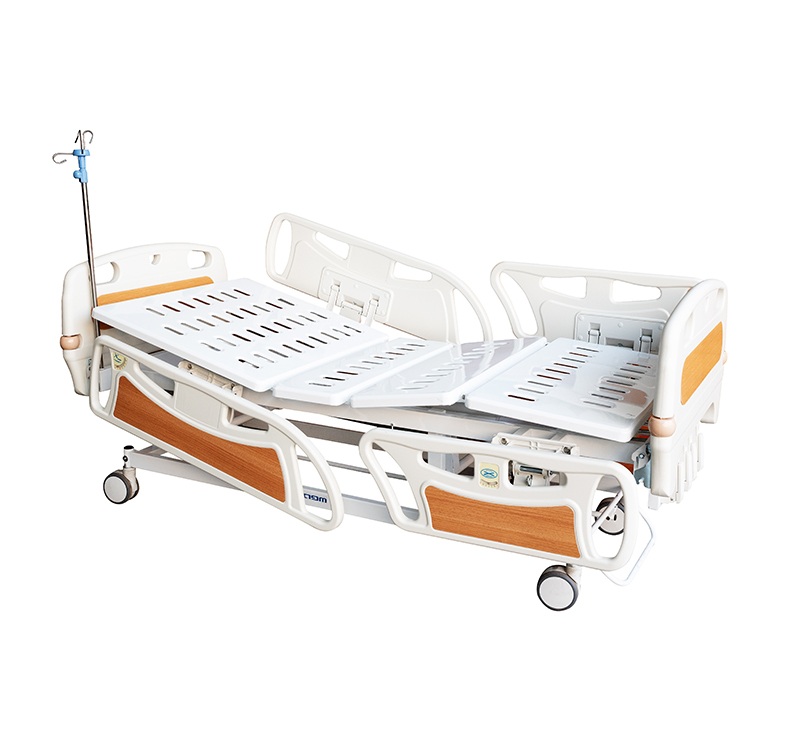
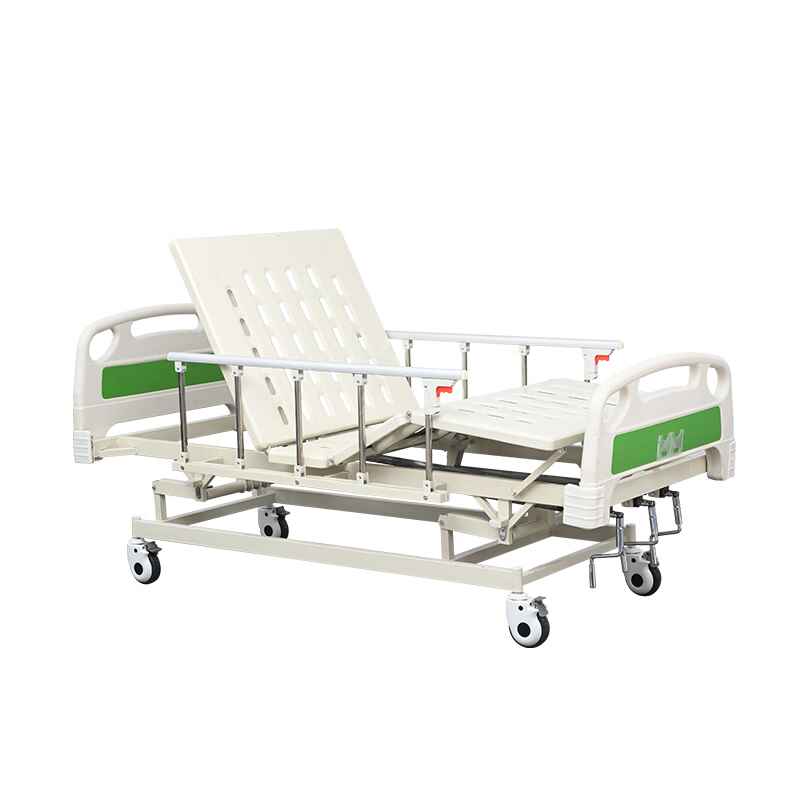
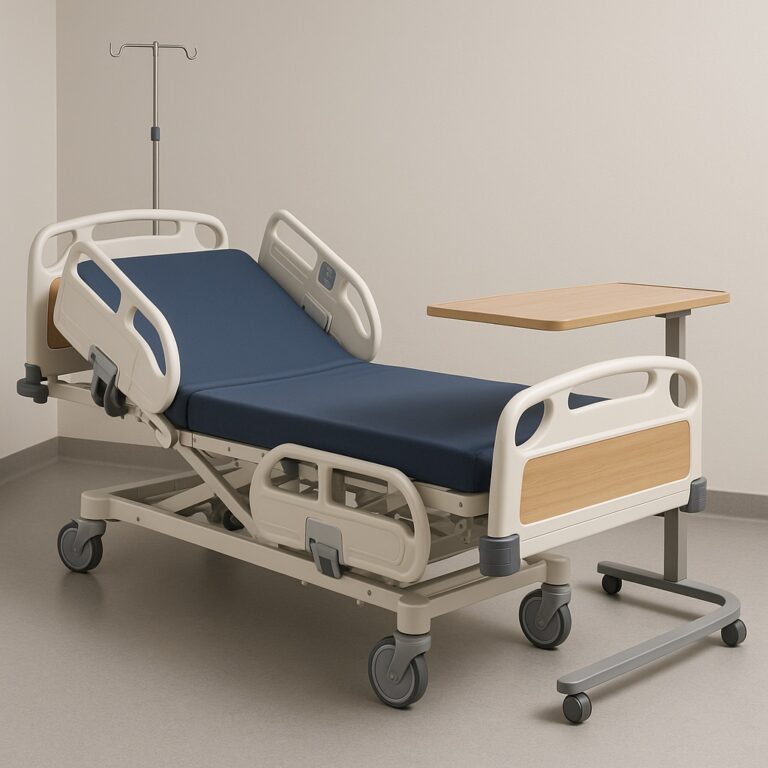
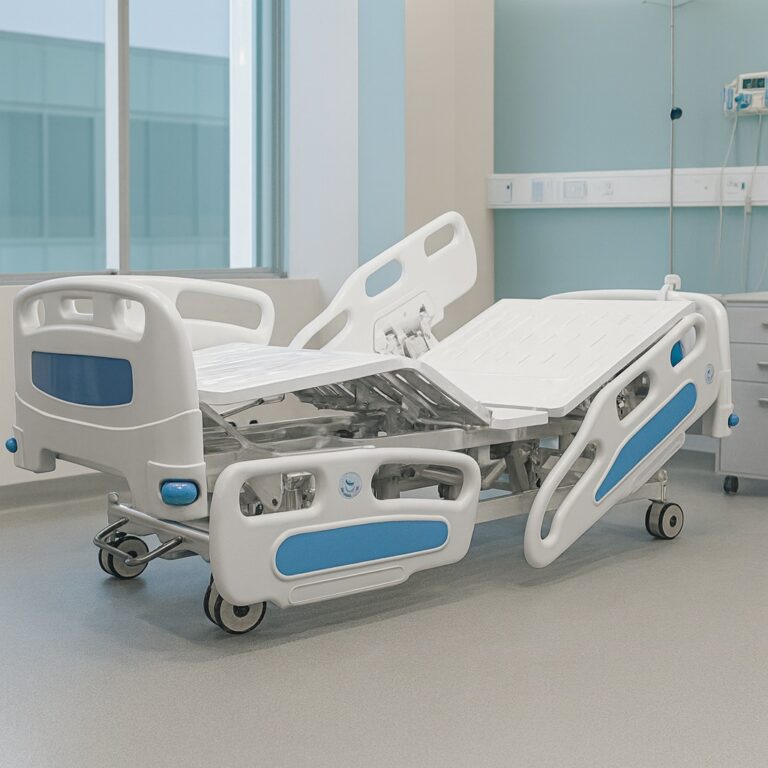
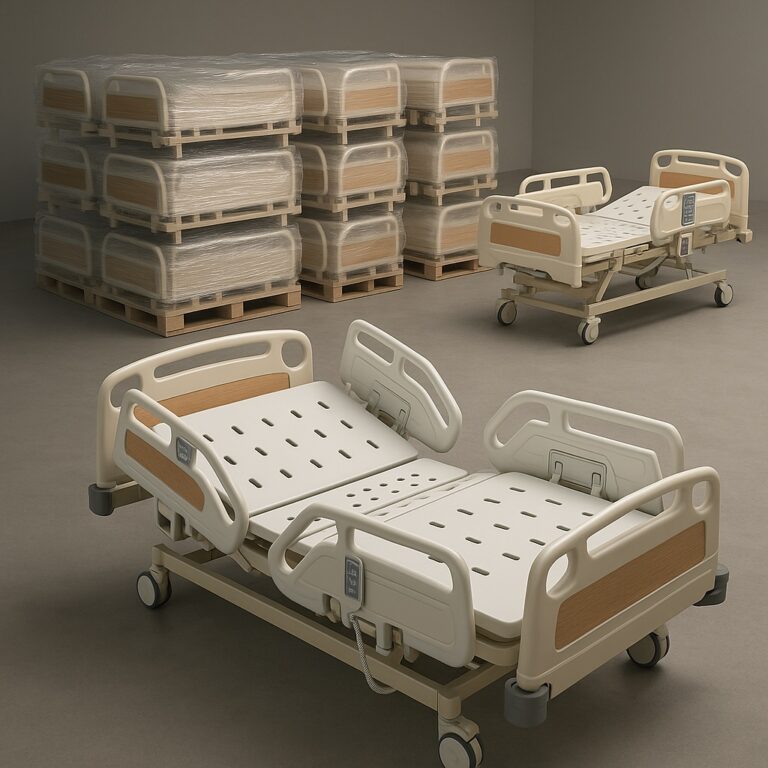
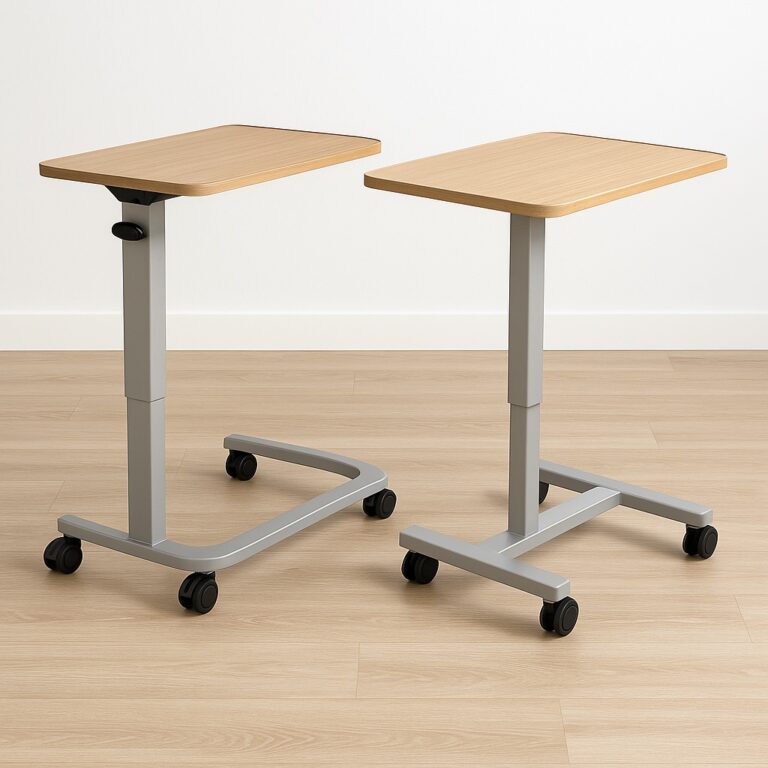
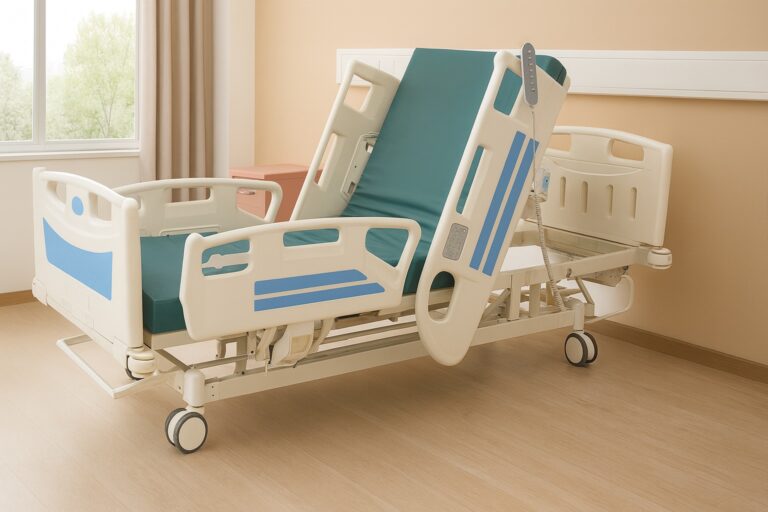
When you buy hospital beds, the design isn’t just about looks or functions. How easy the bed is to clean matters a lot. At medequipsupplier.com, we make Hospital Beds (manual, electric, 2-crank, etc.), Home Care Beds, Bedside Cabinets, Overbed Tables, etc. (Hospital Beds Manufacturer) We also offer OEM/ODM, so customers often ask: can you reduce cleaning time, avoid dirt traps, and raise hygiene / durability? The answers lie in features like fewer gaps, rounded edges, and better seals. Below I explore arguments for each, with what works in real life and the business value behind them.
What is “Easy-Clean” in Hospital Bed Design?
Before diving into arguments, let’s define terms in this field:
Gaps: spaces between parts (frame-board, board-rail, head/footboard joints), places where debris, dust collect, even pests nest.
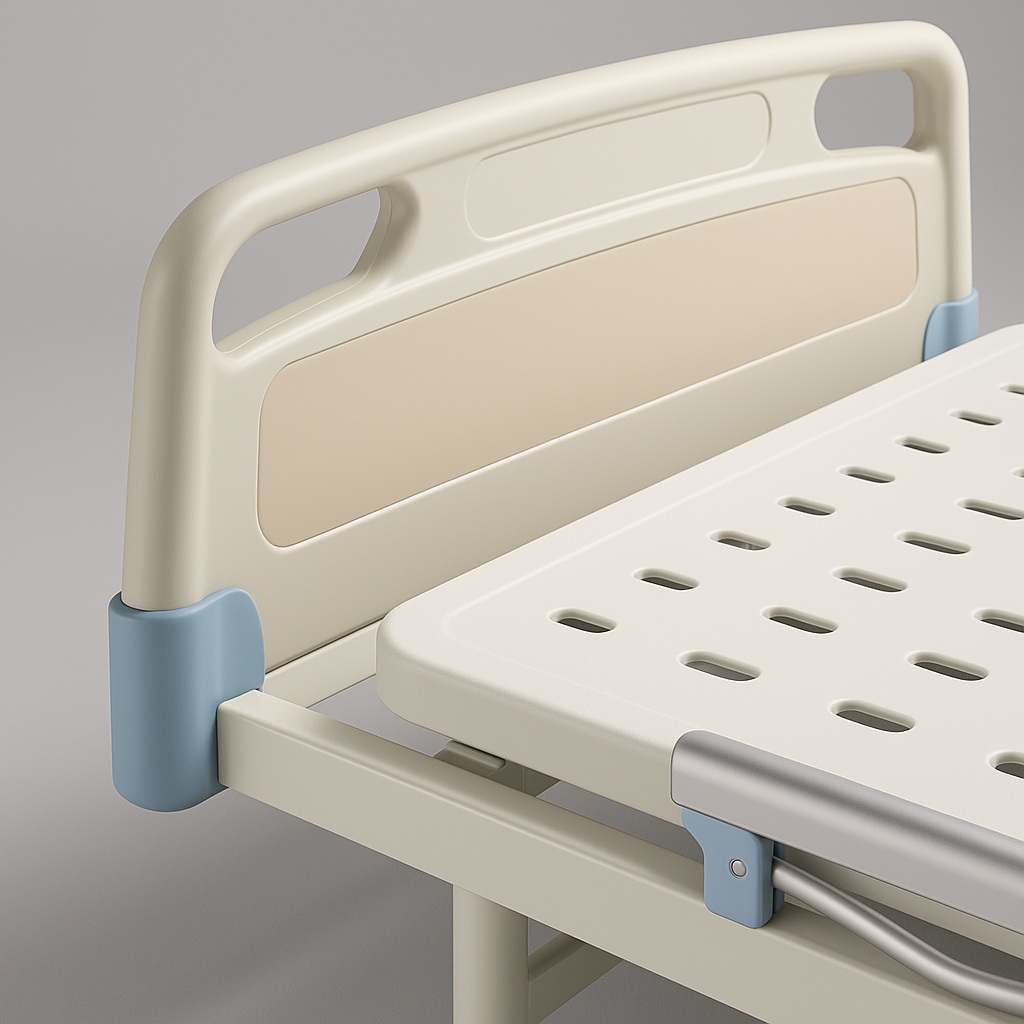
Rounded Edges: instead of sharp 90° corners, bevels or curves that are easier to wipe, less chance of snagging sheets or gloves.
Better Seals: tight joints, overlapping parts, gasket-like edges or ABS molded boards that prevent ingress of dust / liquid / moisture.
Now, here are the main arguments why beds built this way deliver more value.
Fewer Gaps → Reduced Maintenance Time & Higher Cleanliness
Key Points / Use Cases
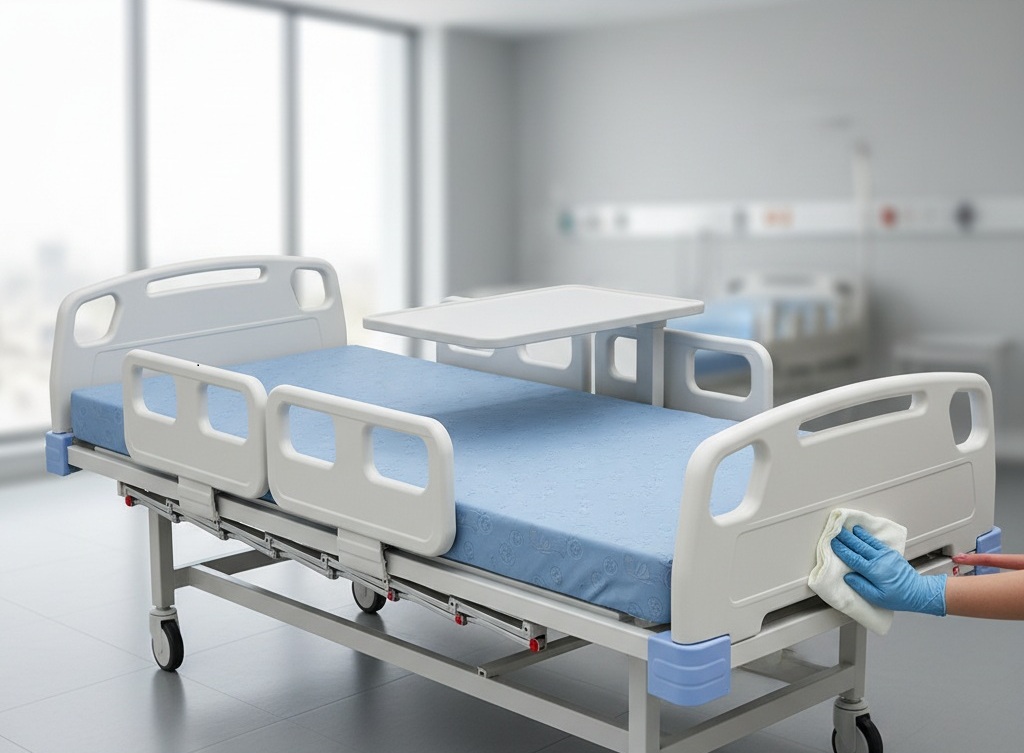
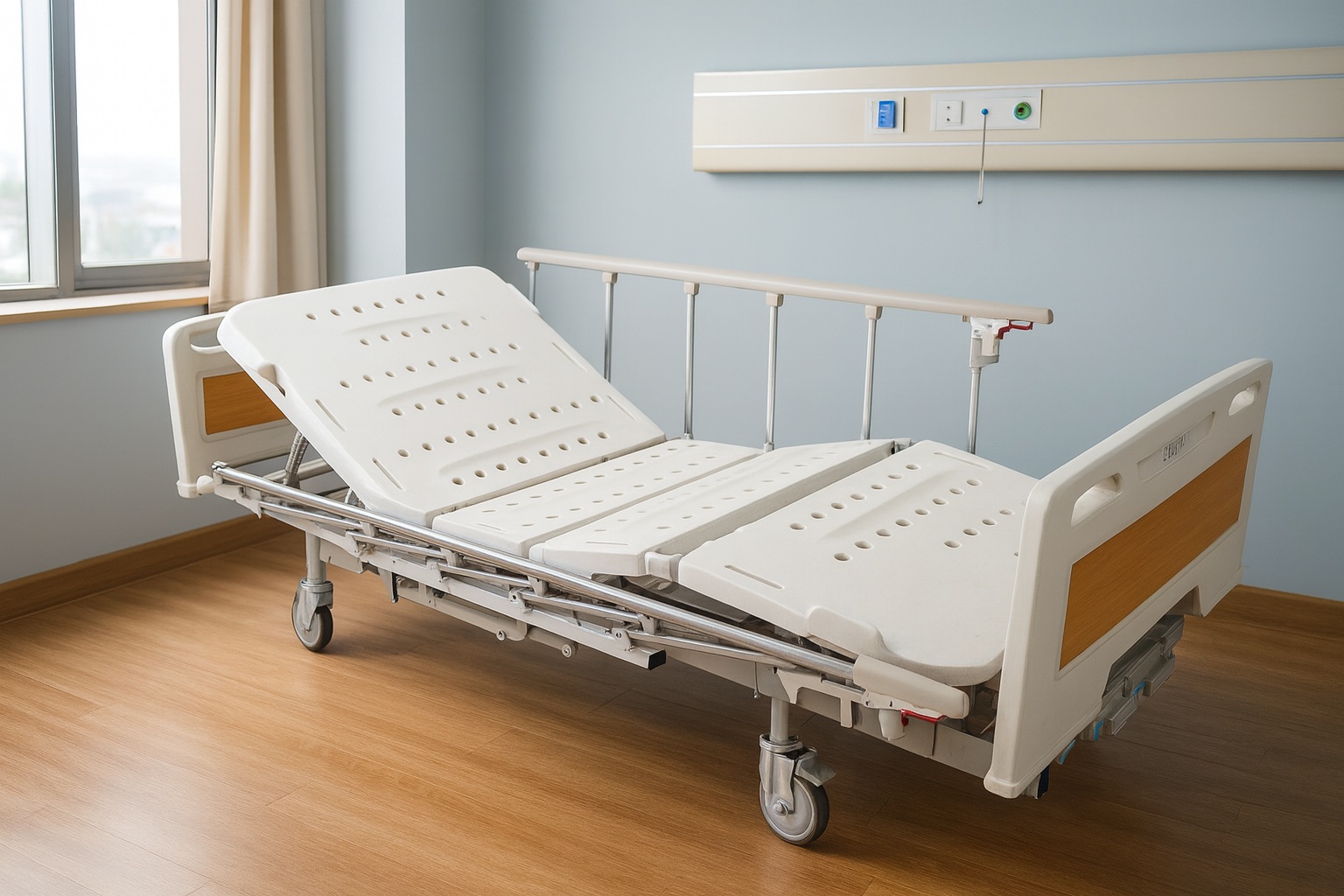
Beds with minimal gaps make it easier for cleaning staff or caregivers to wipe or spray disinfectant without needing special tools. For example, medequipsupplier.com’s Hospital Beds / Home Care Beds often use ABS or composite boards, which allow smoother joint surfaces. (Hospital Beds Manufacturer)
In wards / long-term care facilities, you often have multiple beds in one room. If each bed takes less time to clean (because there are no hidden crevices), cleaning staff can cover more beds per shift.
Business Value
Lower labor cost per bed per cleaning cycle
Faster room turnover (important for hospitals / institutions)
Better customer satisfaction (less visible dirt, less grime in corners)
Rounded Edges → Safety + Ease of Cleaning
Key Points / Use Cases
Sharp edges catch dust, sheets, gloves, even injure staff or clients. Rounded edges prevent snags and reduce stress on sheets (less tearing).
When you wipe a rounded edge, the rag passes over it smoothly. On sharp edges, you often miss a spot or the fabric catches.
Business Value
Less wear & tear on linens (fewer rips) → lower replacement cost.
Lower risk of damage to staff / clients when moving around the bed.
Cleaner appearance: smoother edges show fewer shadows, stains.
Better Seals → Durability & Hygiene Consistency
Key Points / Use Cases
Sealed joints or overlapping joinery means less moisture or dust gets inside. Moisture inside gaps can lead to rust or degradations of metal parts (frame), swelling of boards.
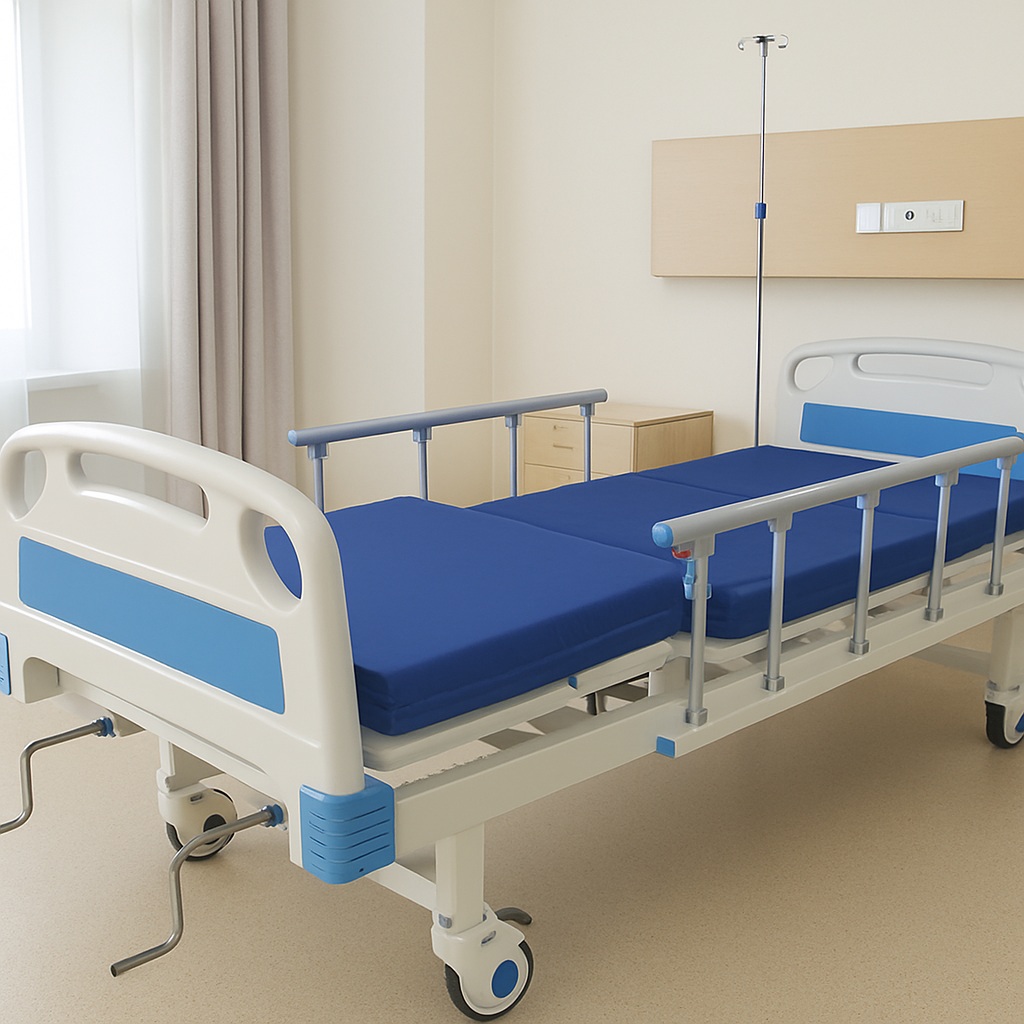
For medequipsupplier.com, their Hospital Bed Furniture / Head & Foot Boards / Side Rails / Bed Boards are customizable. They can adjust frame gauge, board type, etc. A tighter join reduces loose fittings. (Hospital Beds Manufacturer)
Business Value
Longer lifespan of bed components → lower replacement / maintenance frequency.
Less risk of internal decay → fewer complaints, better brand reputation.
In some markets, inspectors or procurement managers look for sealed or wipeable designs (AUDITS) → helps in winning contracts.
Table: Comparison of Bed Features & Their Impacts
Here’s a table that shows how design features translate into outcomes. This can help customers / procurement see trade-offs (pain points) and value.
Feature
What Usually Happens Without It
What You Gain When You Have It
Real Pain Points Solved
Many Gaps / Open Joints
Dust, debris, even small liquids collect; harder to reach; longer cleaning time
Quicker wipe down; less hidden dirt; easier inspections
Staff complaints about corners never clean; extra labor cost; more frequent rework
Sharp Corners / Edges
Snagged sheets; harder wiping; more visual stains in corners
Smooth wiping; no catching; more even finish
Torn linen; frustration cleaning gloves around corners; dents or damage from bumping
Loose or Poor Seals / Joints
Moisture intrusion; rust; food or spill penetration; squeaks or looseness over time
Frequent maintenance; replacing parts; customer dissatisfaction over wobble or stains penetrating
How These Principles Apply in Real Hospital Bed Solutions
To make the arguments more concrete, let’s look at some real scenarios where these design rules matter:
Long-Term Care Facilities / Nursing Homes Beds are cleaned daily; sometimes more frequently. If the bedside cabinet, rails, frame have few gaps and rounded edges, cleaning crews spend less time. Also, boards that seal well resist moisture from spills. Using our OEM/ODM custom boards with seamless joints helps here.
Hospital Wards High patient turnover means beds get changed, cleaned, inspected often. Speed + reliability win contracts. Being able to show that bed headboards, footboards, side rails are ABS/composite, with few open screws or parts, becomes a selling point.
Home Care / Assisted Use Family caregivers often clean themselves. Beds that look clean and wipe easily reduce burden. Rounded edges protect children or visitors; sealed surfaces prevent odor absorption. medequipsupplier.com’s Home Care Bed line is relevant.
International Distributors / Bulk Orders When institutions import many beds, they compare features that reduce maintenance. OEM/ODM options that allow customizing board type, frame gauge, head/foot shape, color, etc., let you deliver beds tuned for local cleaning norms, budget, and durability.
Business Case: Why You Should Demand These Features
Let me spell out the commercial pressure points:
When bidding a facility contract (hospital / institution), clients often include total cost of ownership: purchase price + maintenance + replacement over years. Beds that are easier to clean, less likely to degrade, help lower that cost.
As a manufacturer (like medequipsupplier.com), offering Hospital Bed Solutions that include these design details (rounded edges, fewer gaps, better seals) becomes a differentiator. It shows you thought beyond just motors / cranks; you care about durability, ease of cleaning, and client satisfaction.
For OEM/ODM customers (distributors, private label), these features reduce aftermarket complaints, spare-part orders, and increase repeat orders/referrals.
Challenges & Trade-Offs (and How to Mitigate)
No design is perfect. There are trade-offs:
More sealing or tighter joints might increase manufacturing complexity (welding, precision).
Rounded edges or molded boards (ABS/composite) may cost more or need tooling.
Some “perfect seal” designs may limit ease of access for maintenance / repairs.
Mitigations:
Use modular joints where possible: sealed but serviceable.
Standardize board types & frame sizes in OEM/ODM so tooling cost spreads.
Use coatings (powder coating) and MIG welding to ensure frame quality. medequipsupplier.com uses MIG welding, coating thickness 60-80 µm; they do function tests; batch labels; offer warranty on frame etc. (Hospital Beds Manufacturer)
Summary
To wrap up, if you’re evaluating Hospital Beds or partnering with a supplier, ask:
Does the bed design minimize gaps (board-frame, side-rail joints, head/foot)?
Are there rounded edges where wipes or cloths naturally run, and no sharp corners catching linen or dirt?
Are the joints sealed or tight-fitting so moisture, debris can’t collect inside?
At medequipsupplier.com, these are not just buzzwords. Many bed models use ABS/composite head/footboards; they offer customization of board/ frame; they build for easy cleaning. (Hospital Beds Manufacturer)
If you’re a hospital procurement manager, a distributor, or a nursing facility buyer, beds with these features reduce ongoing costs, improve cleanliness, and raise your brand’s satisfaction. Also, for OEM/ODM clients, offering “Easy-Clean Bed Design” becomes a selling point in serious tender documents.