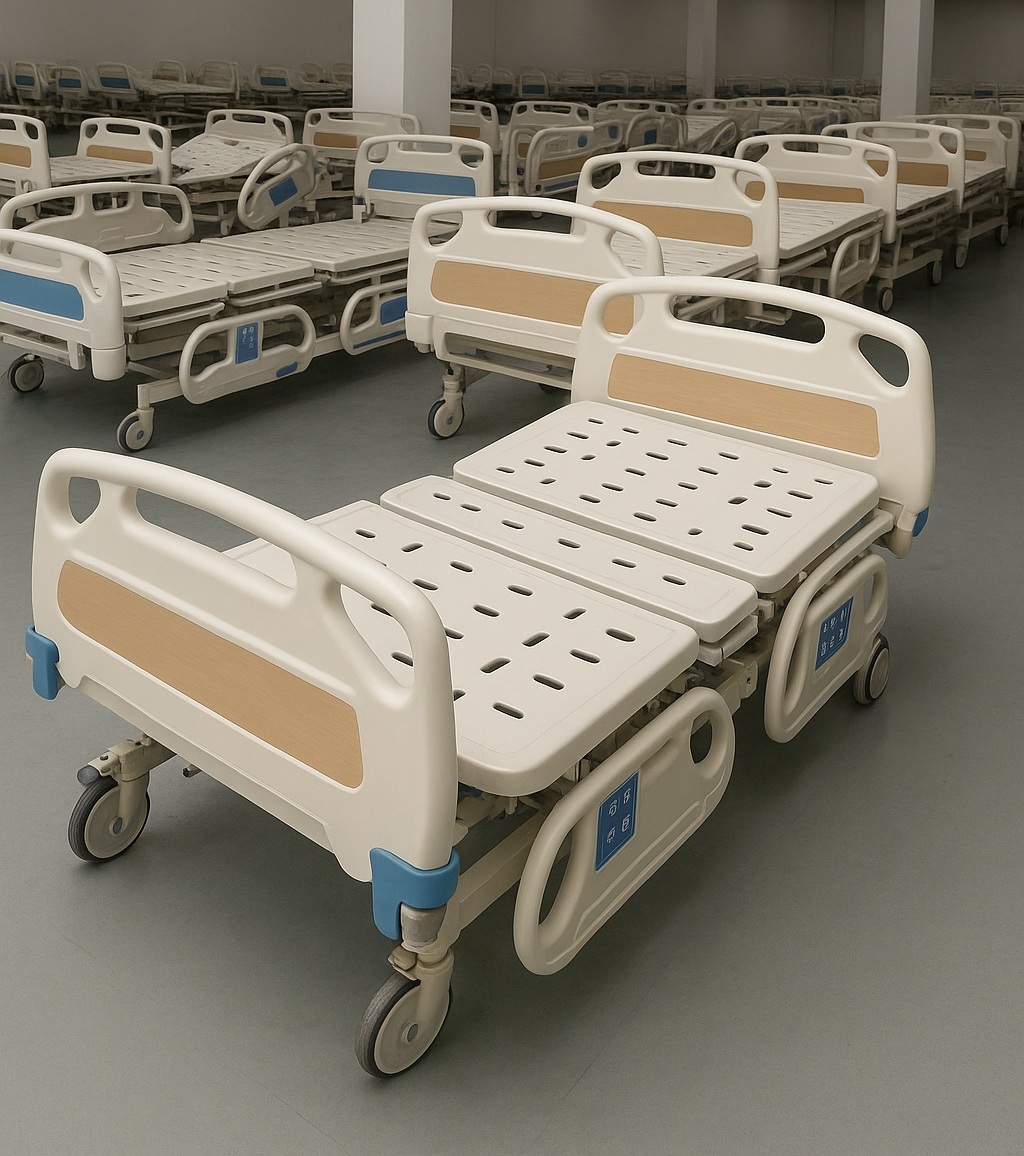
Agencies and long-term care providers face the same problem: rising demand for safe, durable, and cost-friendly equipment. A Home Care Bed isn’t just furniture—it’s infrastructure. One bed impacts client comfort, staff workflow, and even reputation. Buying in bulk isn’t only about saving a few dollars on the invoice. It’s about leverage. More units mean stronger bargaining, unified standards, easier maintenance, and predictable supply chains.
When agencies invest in bulk procurement, they also lock in continuity. No need to run after small orders every few months, no panic calls when a new client arrives, no mismatched spare parts across different models.
The Cost Advantage in Bulk Purchasing
Distributors and institutions who secure hundreds of units gain discounts, consolidated shipping, and service contracts. The end result? Lower per-bed ownership cost. That’s where agencies gain a competitive edge.
Dimension
Bulk Procurement
One-by-One Orders
Unit Price
Lower with volume
Higher, limited negotiation
Delivery
Coordinated shipment
Frequent, scattered
After-Sales
Extended warranty packages
Basic coverage only
Maintenance
Standardized spare parts
Mixed, harder to manage
Bulk buying isn’t free from risks—upfront cash flow and warehouse planning must be in place. But once locked, the savings stack up.
Quality and Durability Are Non-Negotiable
A Home Care Bed will see daily stress—adjustments, movement, cleaning, constant use. Poor materials or weak frames lead to repair cycles that drain resources. For agencies, downtime isn’t just annoying. It can hurt trust.
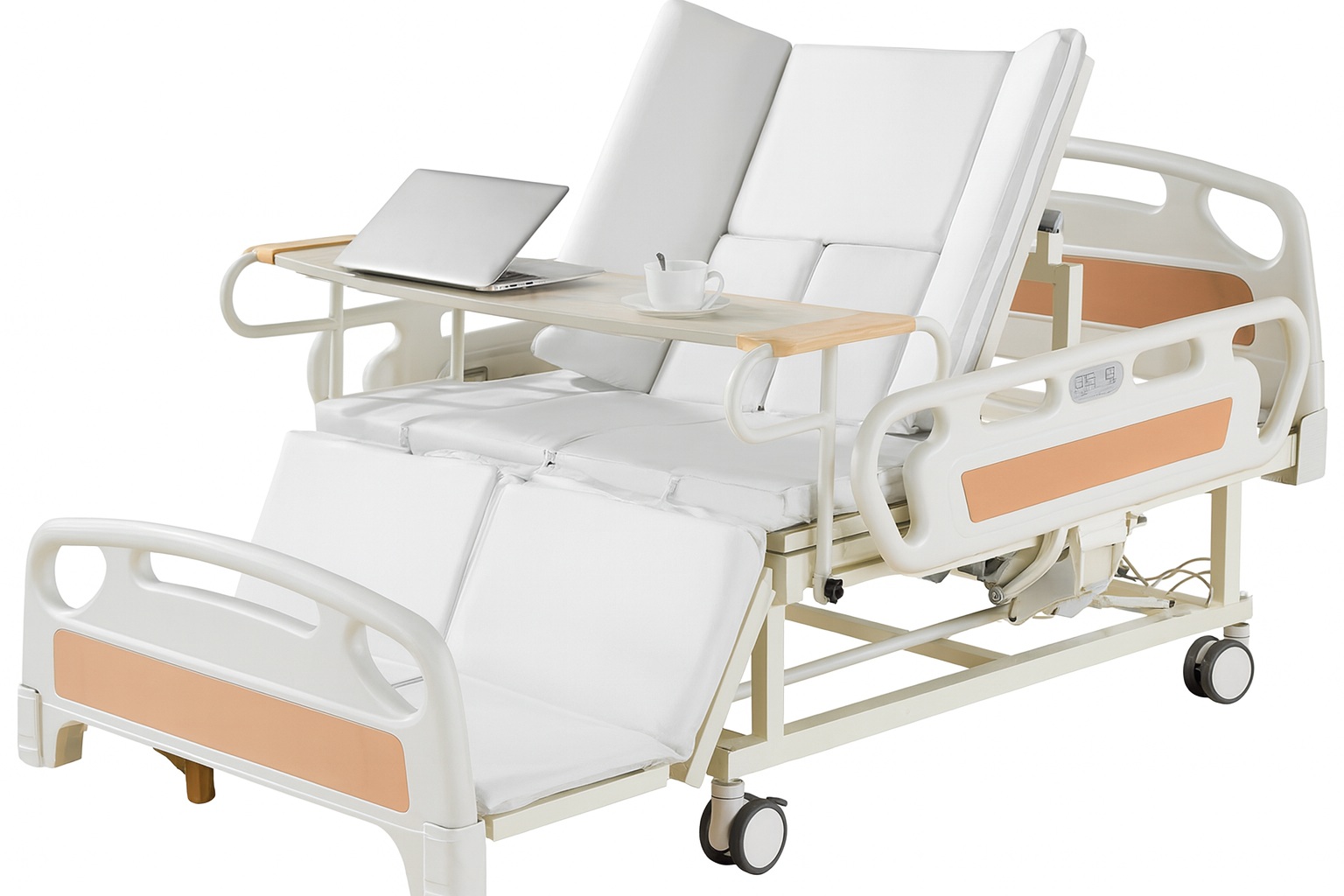
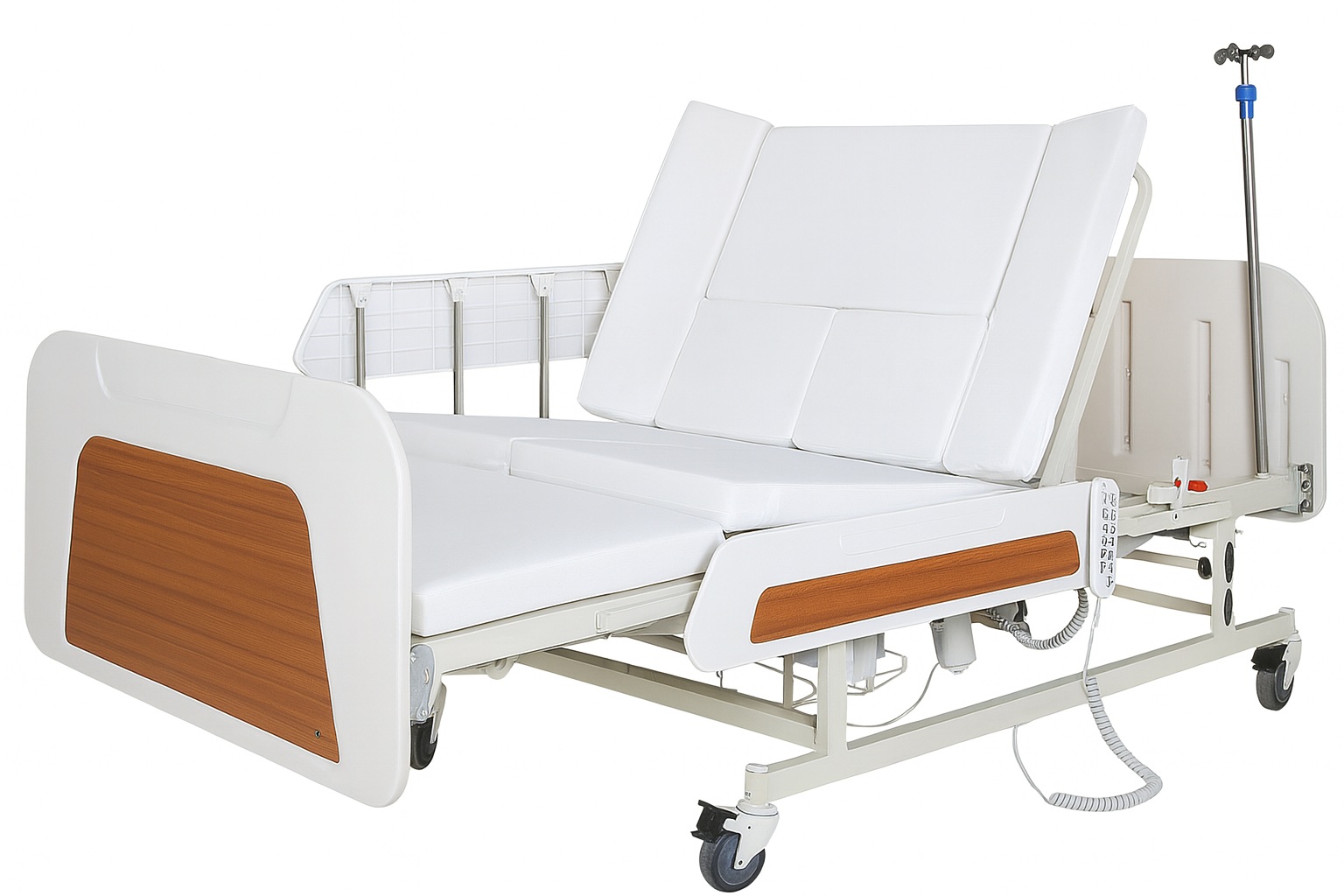
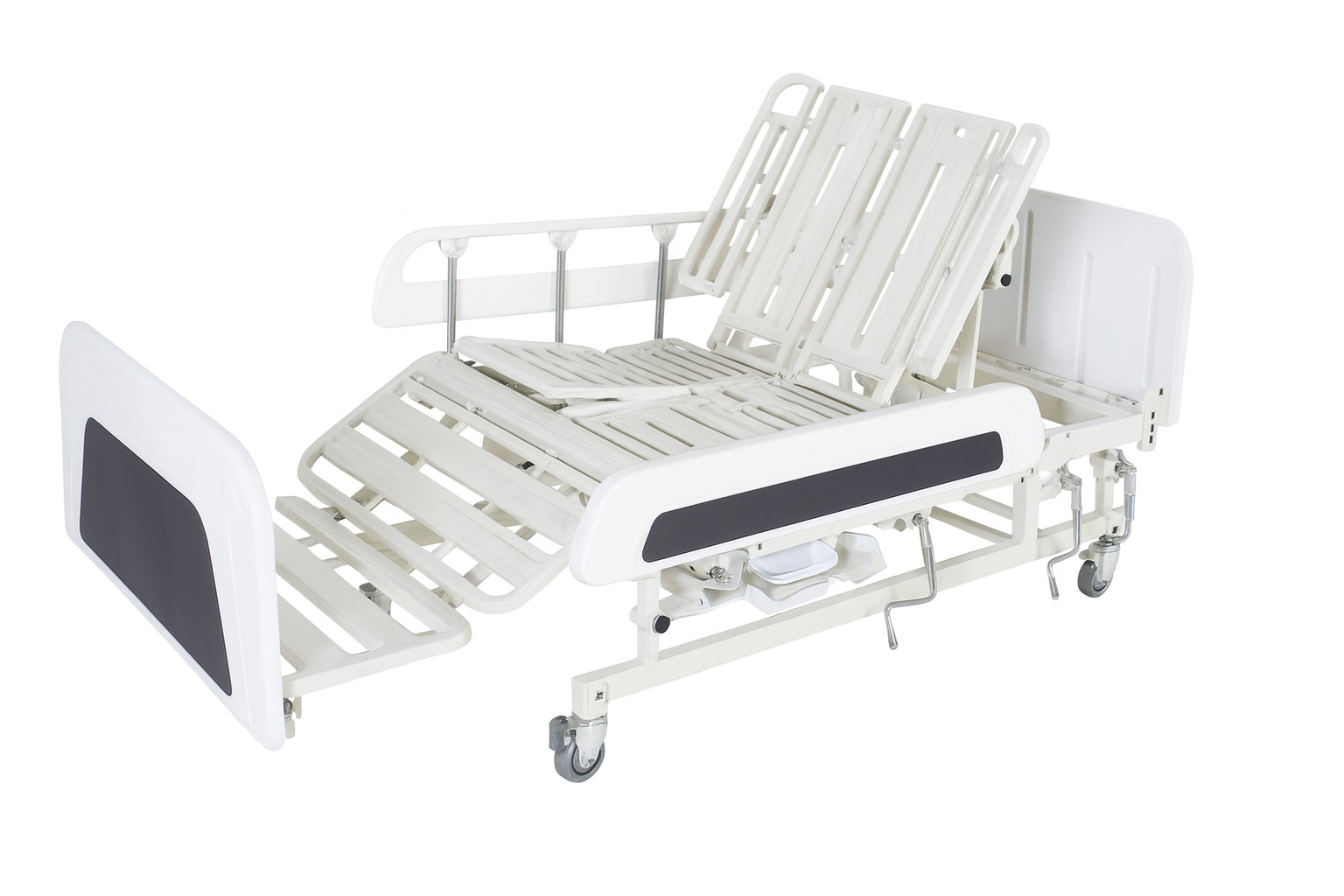
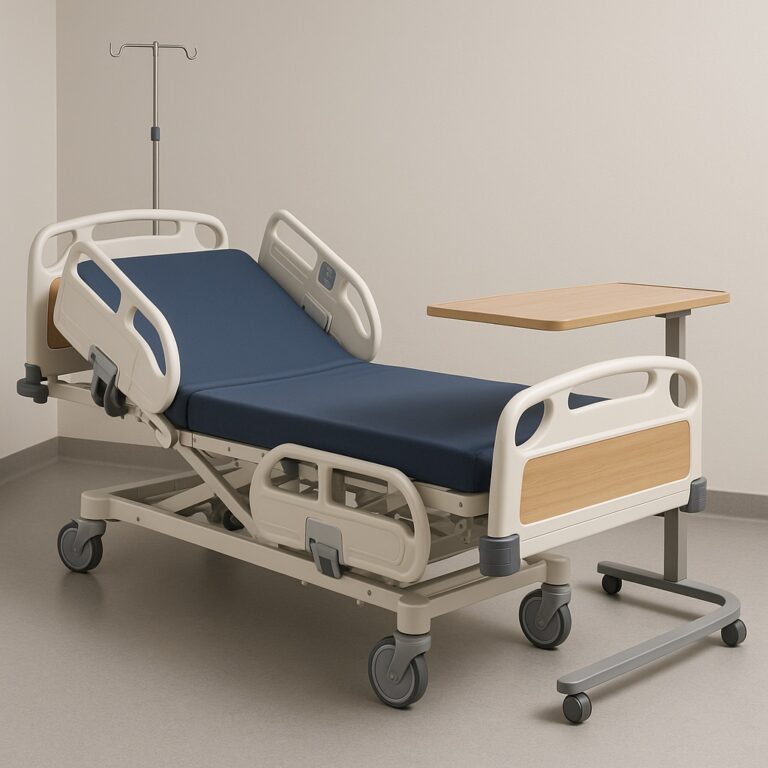
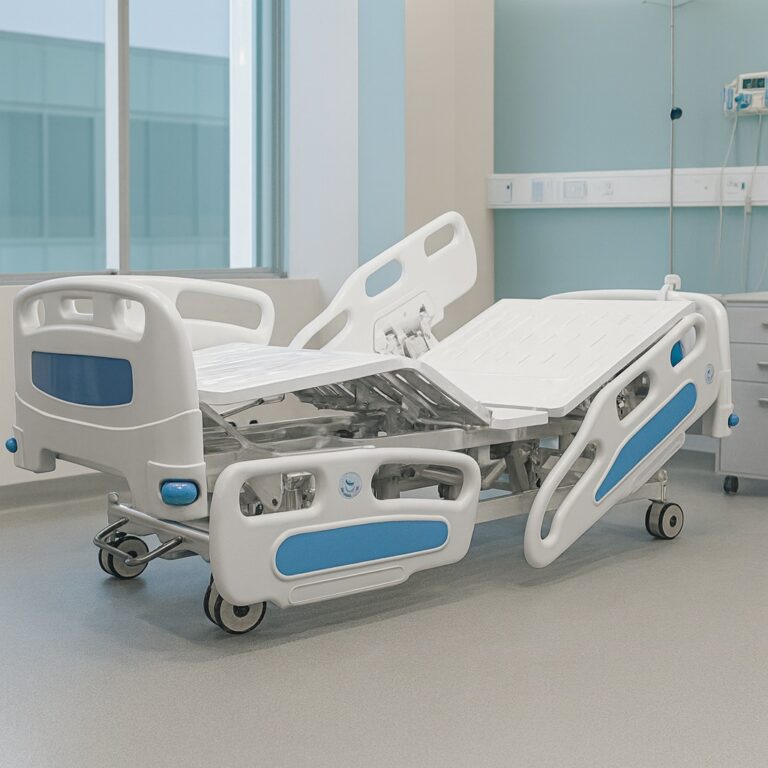
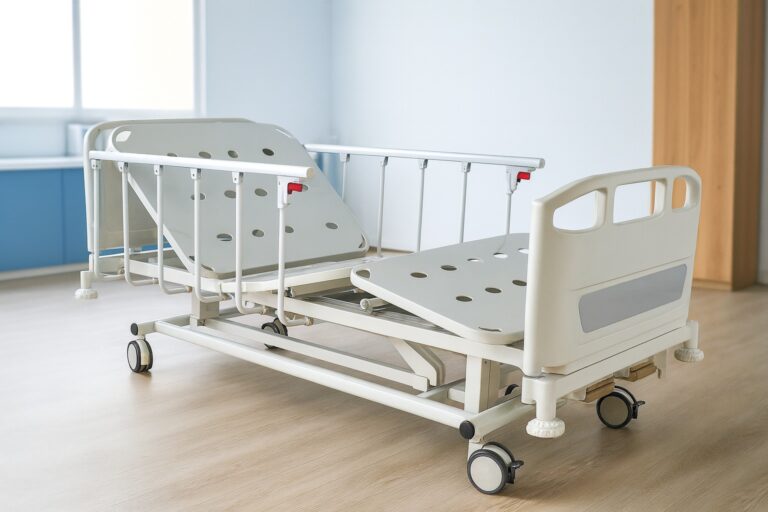
At Medequip Supplier’s lineup, the models are built for durability, adjustability, and comfort. Options like the 5 Function Home Nursing Bed CZN-01 and 5 Function Home Nursing Bed CZN-02 show what the industry expects today—multiple functions, strong frames, and accessible controls.
For agencies moving toward automation, the Electric 5 Function Home Nursing Bed CZEN-01 is a natural fit. These advanced beds keep consistency across facilities and simplify staff training.
Risk and Complexity in Procurement
Procurement managers juggle compliance, warranty terms, supplier audits, and freight coordination. With one wrong choice, an entire facility could end up with mismatched beds or unreliable service partners. That’s why clear procurement frameworks matter:
Define bed specifications (electric/manual, weight capacity, function count).
Audit supplier certifications.
Ensure after-sales service covers spare parts and technical training.
Negotiate flexible delivery schedules instead of one bulk drop.
This process mirrors hospital procurement, but scaled for home and long-term care facilities. Agencies can’t afford shortcuts.
Balancing Risk: Bulk vs Phased Buying
Bulk buys secure savings but tie you to one model. Phased buying gives flexibility but raises costs.
Factor
Bulk Buying
Phased Buying
Flexibility
Low—stuck with one model for years
High—can adopt new tech
Cost per Bed
Lower
Higher
Risk Spread
Higher
Lower
Maintenance
Unified, simpler
Mixed, harder
Some agencies combine both—secure a core order to lock pricing, then add phased purchases for tech upgrades. This hybrid model gives the best of both worlds.
Market Growth and Why Agencies Should Move Now
The global Home Care Bed market keeps expanding. Aging populations, higher care standards, and more home-based service models drive demand. Suppliers are innovating with electric 5-function beds, foldable designs, and modular add-ons.
For agencies and long-term care centers, the takeaway is simple: waiting raises costs. More demand means tighter supply chains. By moving early, agencies can negotiate better terms, lock consistent models, and integrate HOSPITAL BED SOLUTIONS into their service offering.
Real-World Scenarios for Agencies
Long-Term Care Facility Expansion A nursing facility planning 200 new rooms secures a bulk contract for CZN-02 models. The result? Every wing uses identical controls, which means less staff training and faster workflow.
Home Care Agency with Growing Client List Instead of scrambling with single purchases, the agency stocks 50 beds in advance. When new contracts land, installation happens within days. That speed builds credibility with families and hospitals.
Distributor Strategy Medical distributors source a container load of mixed models (manual and electric). This lets them serve multiple segments—from budget care homes to premium private nursing setups.
Strategic Value Beyond the Bed
Buying a Home Care Bed in bulk isn’t only an operational move—it’s a business strategy. It shapes how agencies present themselves: reliable, professional, standardized. Clients and partners notice the difference. Bulk procurement also allows agencies to:
Build partnerships with manufacturers for long-term pipeline support.
That’s how agencies shift from being simple buyers to becoming solution providers.
Key Takeaways
Bulk procurement reduces cost and creates uniform standards.
Quality must stay central. Weak beds mean high replacement costs.
Risk management matters. Set clear specs and supplier audits.
Hybrid strategies (bulk + phased buying) give flexibility.
The market is growing fast, so acting now secures better terms.
Conclusion
For agencies and long-term care providers, the Home Care Bed isn’t just another product line—it’s the backbone of daily service. Bulk buying, when done smartly, strengthens budgets, standardizes quality, and speeds response to new demand.
And at Medequip Supplier, the full lineup—manual, electric, and multifunction beds—gives procurement managers the flexibility to match any care model. Add in the option for HOSPITAL BED SOLUTIONS, OEM/ODM branding, and wholesale logistics, and the path becomes clear: bulk buying isn’t a gamble. It’s a strategy.