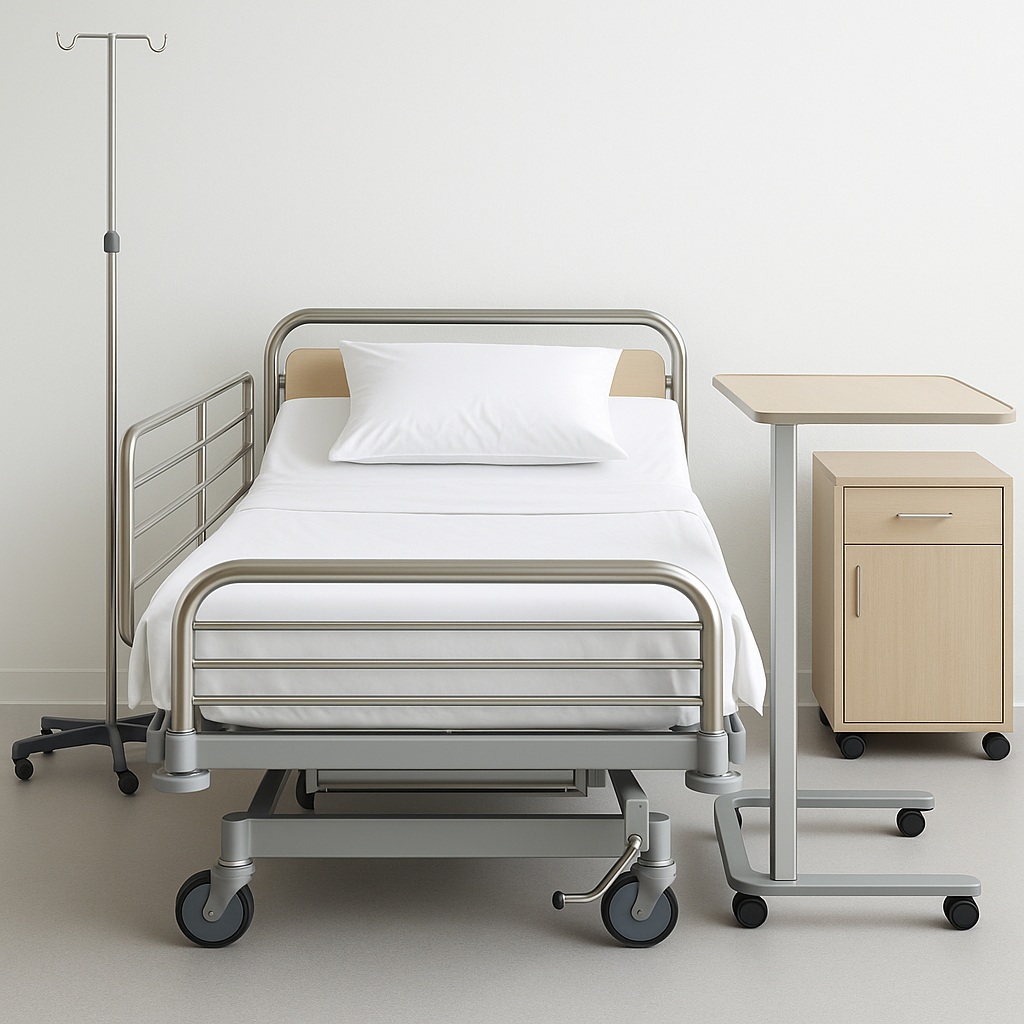
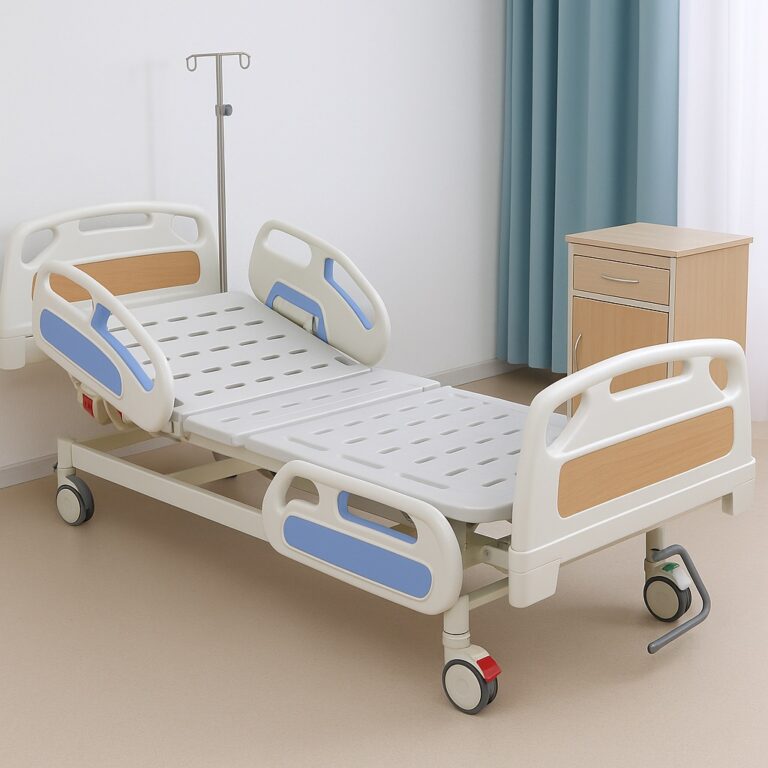
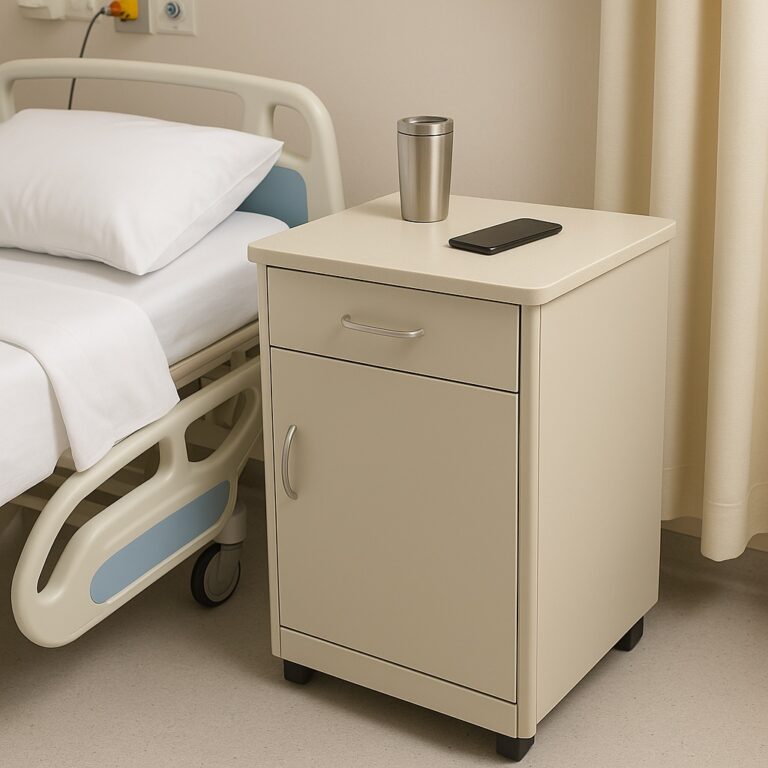
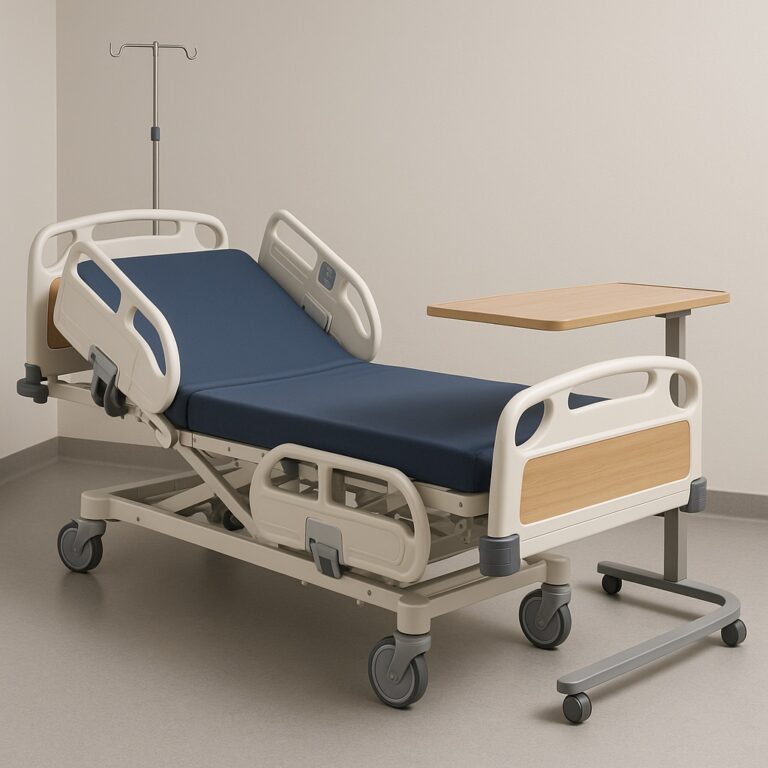
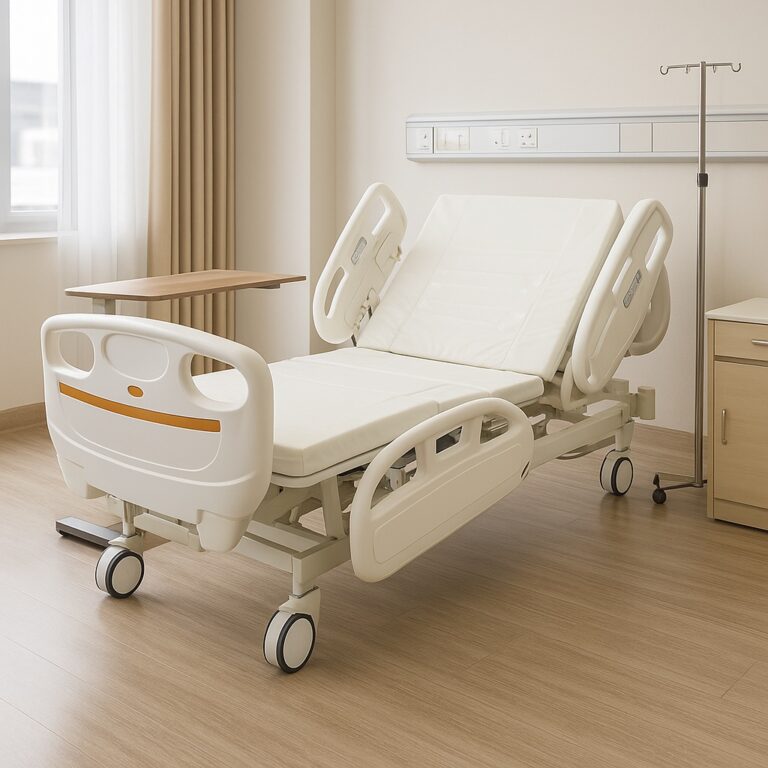
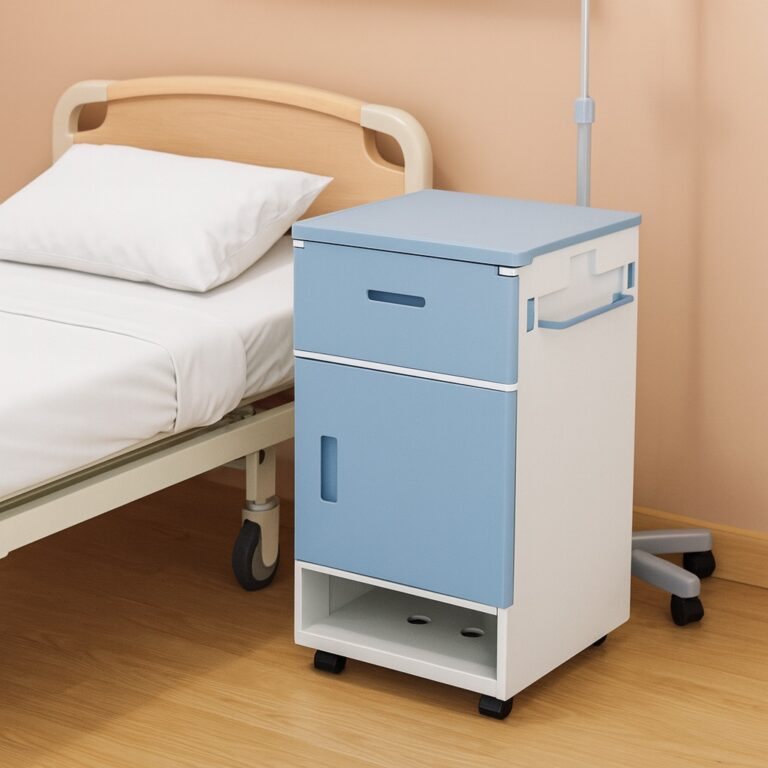
When we talk about Hospital Bed Furniture, people often think only about safety and durability. But let’s be honest—comfort, usability, and long-term ergonomics matter just as much. In modern healthcare spaces, beds, side rails, overbed tables, and even crank handles aren’t just “furniture.” They’re ergonomic tools that affect how patients rest and how caregivers work. If these details are overlooked, small mistakes in heights, reach zones, or grip points quickly turn into daily frustrations.
Why Ergonomics Matters in Hospital Bed Furniture
You’ve probably seen it: a nurse bending too low to adjust a hospital bed crank handle, or a family caregiver struggling to reach the IV pole. Poor design creates repetitive stress, wasted energy, and in the long run, higher costs for hospitals and nursing homes.
That’s where ergonomic design comes in. By aligning furniture heights, defining safe reach zones, and designing grip points properly, HOSPITAL BED SOLUTIONS can do more than look good—they solve pain points in real use.
Furniture Heights: Beds, overbed tables, and cabinets must match the human body, not the other way around.
Reach Zones: Frequently used accessories should be positioned in easy-to-reach spaces.
Grip Points: Handles, rails, and levers should fit the hand naturally.
Furniture Heights: Getting the Basics Right
The height of a hospital bed is not just a number. It’s a workflow detail that affects patients and caregivers differently.
For caregivers: The bed must adjust to elbow level (around 90–110° arm bend) so tasks like cleaning or repositioning don’t require bending or over-stretching.
For patients: Sitting up or transferring out of the bed depends on whether the bed can lower to a safe “chair-like” height.
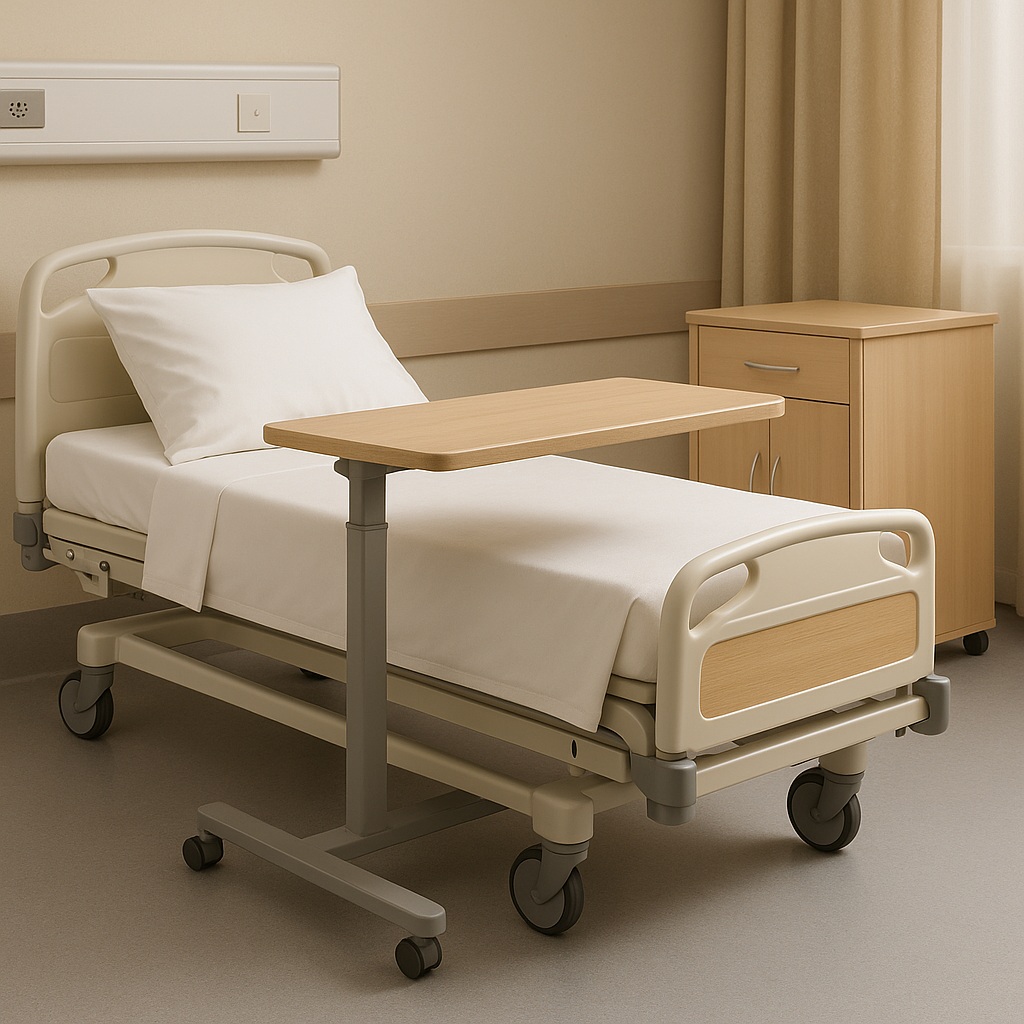
Hospital Bed Furniture, like overbed table board and bedside cabinets, ties directly to this. A table that’s too high forces awkward shoulder positions. A side cabinet that’s too low makes patients twist constantly.
Reach Zones in Hospital Bed Furniture
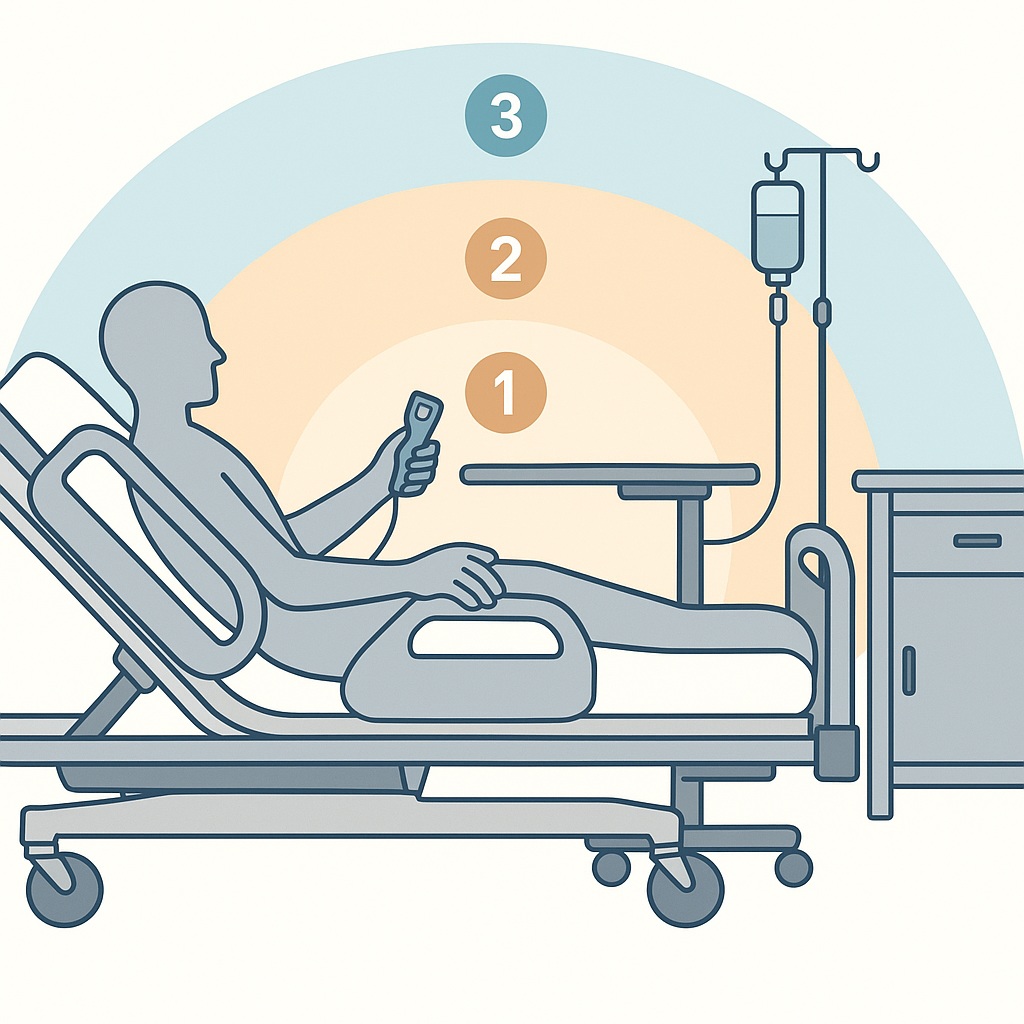
Ergonomic research divides work areas into Primary (Zone 1), Secondary (Zone 2), and Tertiary (Zone 3). It’s not just for office desks—this applies directly to hospital beds and accessories.
Here’s a clear comparison pulled from ergonomics studies:
The hospital bed crank handle on a manual bed should always sit in Zone 1. If it’s hidden too far under the bed frame, staff end up bending and twisting every day.
The overbed table board belongs in Zone 2—close enough to eat, read, or work on, but not blocking the immediate space for resting.
A ward screen or equipment storage is fine in Zone 3, since it’s not touched often.
Grip Points: Small Detail, Big Difference
Think about how many times a patient grabs the hospital bed side rail in a day—or how often staff adjust the hospital bed head & foot. If those grip points are poorly designed, the strain builds up.
Good grip design in Hospital Bed Furniture means:
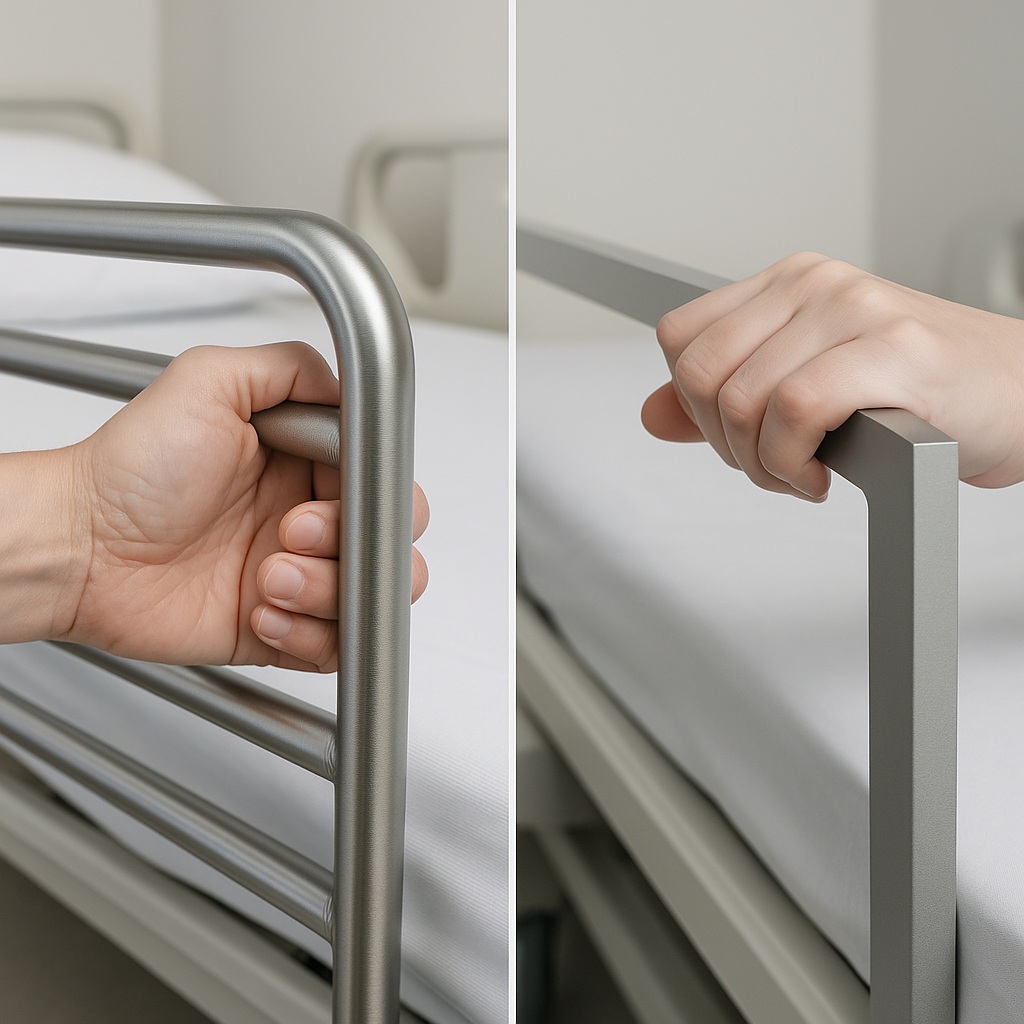
Handles with a diameter that matches natural hand grip (not too thick, not too thin).
Textured or contoured surfaces to avoid slipping.
Placement that keeps the wrist in a neutral position, avoiding forced angles.
For example, a hospital bed side rail 6 bars stainless steel with a smooth rounded grip allows both patients and caregivers to hold firmly. By contrast, a flat, sharp-edged rail not only hurts the hand but increases the risk of accidents.
Case Scenarios in Real Hospital Bed Furniture Use
Scenario 1: Nurse Efficiency A nurse makes 20 bed adjustments per shift. If the hospital bed crank handle is too low (below Zone 1), she bends 20 times. That’s not just wasted time—it’s back strain.
Scenario 2: Patient Independence A patient tries to pull themselves upright. If the hospital bed side rail aluminum 5 bars is well-placed, they succeed without help. If not, staff must assist each time. That’s more workload and less dignity for the patient.
Scenario 3: Family Caregiver at Home In home care, family members often aren’t trained professionals. A well-designed overbed table board in Zone 2 means they can serve food without heavy lifting or awkward angles.
Commercial Value: Why Buyers Care
This isn’t just theory—it’s buying logic. Distributors, hospital procurement managers, and long-term care centers know that:
Ergonomics saves costs by reducing caregiver injury risk and downtime.
Comfort sells—patients and families notice when Hospital Bed Furniture feels natural to use.
Customization (OEM/ODM) gives importers and wholesalers a chance to meet regional ergonomic standards.
Some buyers look only for durability and safety certifications. But the real differentiator? Ergonomic thinking.有些买家只看重耐用性和安全认证。但真正的区别是什么?人体工程学设计。
When you combine proper heights, clear reach zones, and intuitive grip points, you’re not just selling furniture—you’re selling efficiency, dignity, and trust.
Hospitals and care homes know the pressure: overworked staff, rising expectations, tighter budgets. Ergonomics is not an add-on; it’s a solution that pays off in daily routines.
Wrapping It Up
Ergonomics in Hospital Bed Furniture may sound like a technical detail, but in reality, it’s the core of modern hospital design. Heights determine comfort, reach zones define efficiency, and grip points influence safety.
Whether you’re a distributor seeking bulk orders or a hospital buyer looking for HOSPITAL BED SOLUTIONS, keep this in mind:
Right height saves effort.
Proper reach zones cut wasted motion.
Good grip points protect both patients and staff.
That’s what turns basic furniture into ergonomic healthcare equipment—practical, safe, and worth investing in.