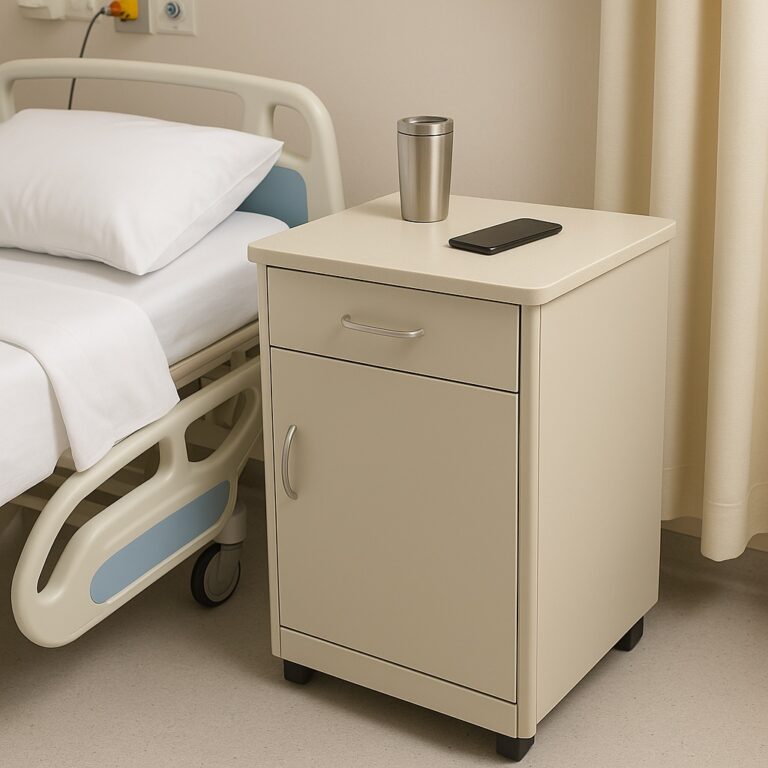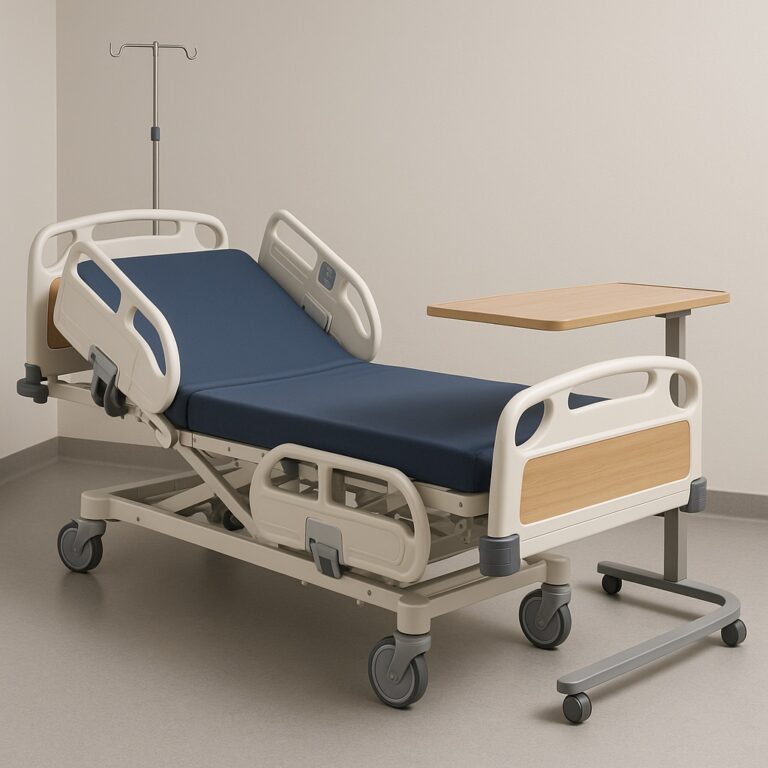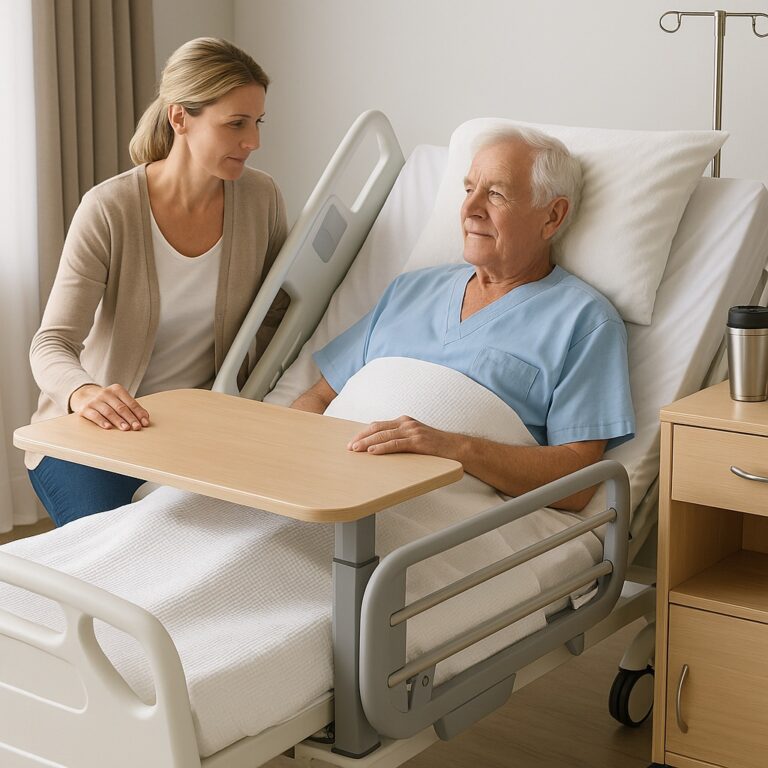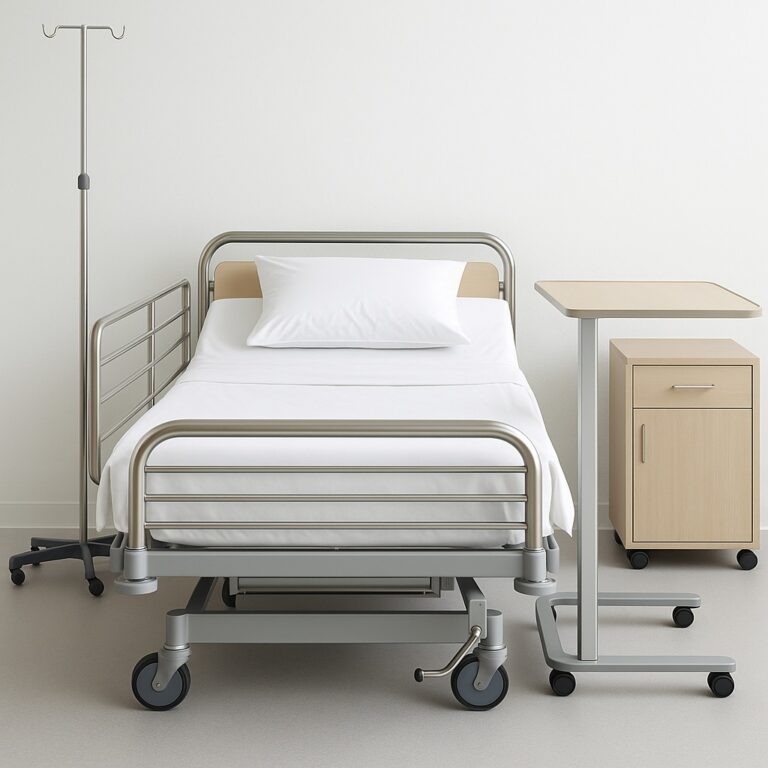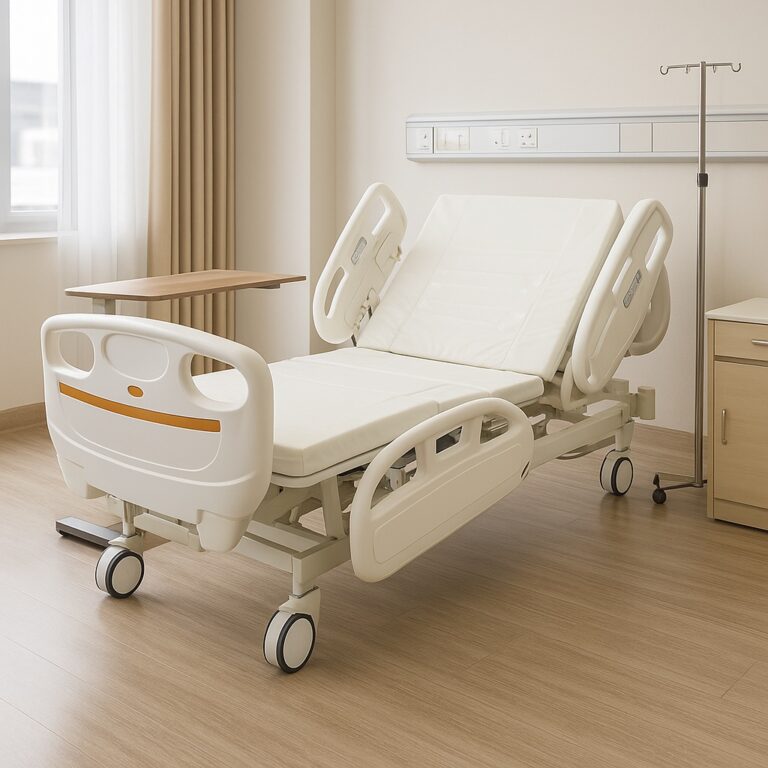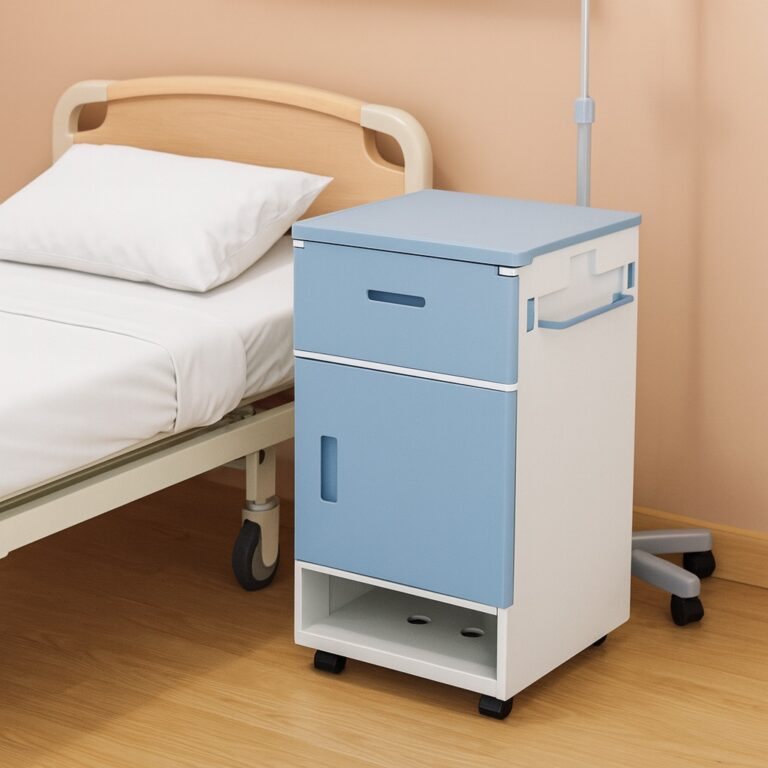
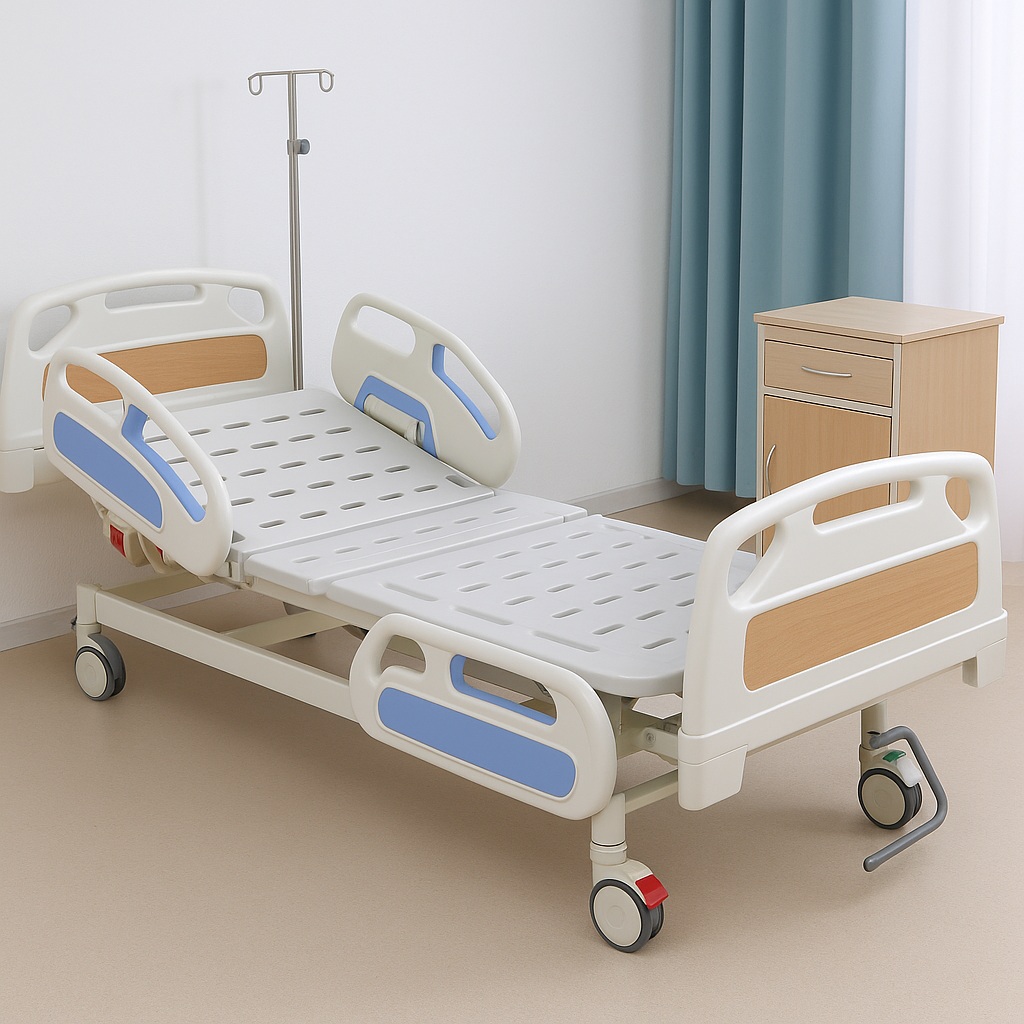
When you enter a health center space, the first thing you discover isn’t constantly the bed. In some cases, it’s the hospital bedside cabinet right beside it, or the overbed table that turns across effortlessly. These aren’t just furniture– they’re part of a larger system that makes health center rooms useful, risk-free, and brand-consistent. For business operating in Hospital Bed Furniture, OEM/ODM customization is the vital to attracting attention in a congested market.
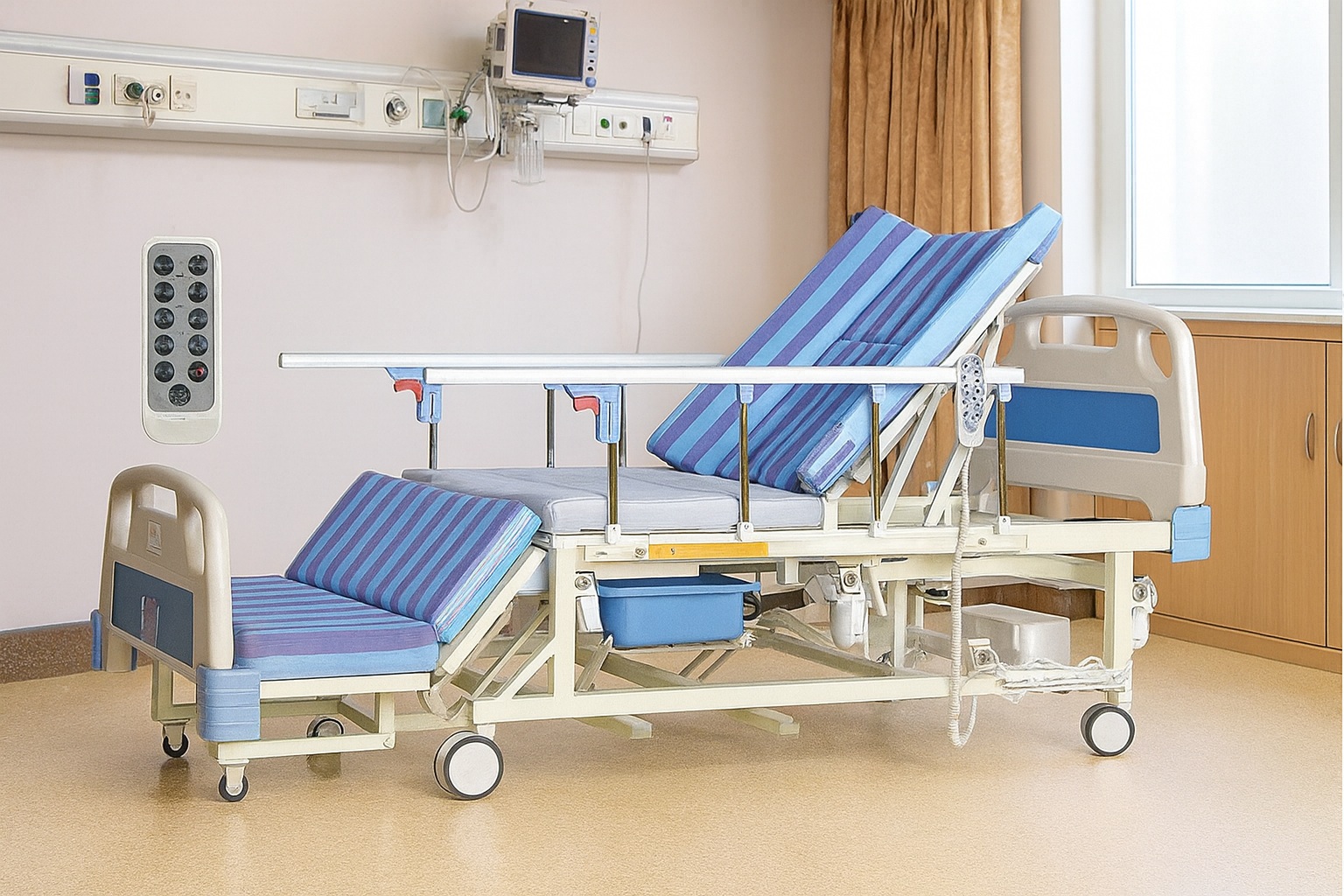
OEM vs. ODM: Choosing the Right Route
If you’re intending to launch your own line of medical facility beds or devices, you’ll face a very early selection: OEM or ODM.
- OEM (Original Equipment Manufacturing): you bring the design, specs, and brand. The factory builds it exactly as you want.
- ODM (Original Design Manufacturing): you adapt an existing design. Faster, cheaper, but less control.
| Factor | OEM | ODM |
|---|---|---|
| Control over design | Full, you own the blueprint | Limited, supplier drives design |
| Speed to market | Longer, needs tooling | Faster, ready-made molds |
| Cost upfront | Higher | Lower |
| Brand identity | Unique and protected | Shared with others |
👉 If your brand vision includes a signature hospital bedside cabinet with unique drawers and finish, OEM is the way. For quicker entry, ODM can get you started.
Cleanability and Durability: The First Checkpoint
Hospitals are tough environments. Furniture gets heavy use, every day. Drawers open and shut dozens of times. Surfaces must withstand cleaning solutions.
That’s why when you customize Hospital Bed Furniture, you need to ask: what materials will last?
- Powder-coated steel resists scratches.
- ABS plastic makes cabinets light yet sturdy.
- Rounded edges cut down accidents.
Our hospital bed head & foot boards and hospital bed crank handles already follow this principle, designed for strength and repeated use. The same applies to the bedside cabinet—material choice equals reputation.
Components That Make or Break the Bed
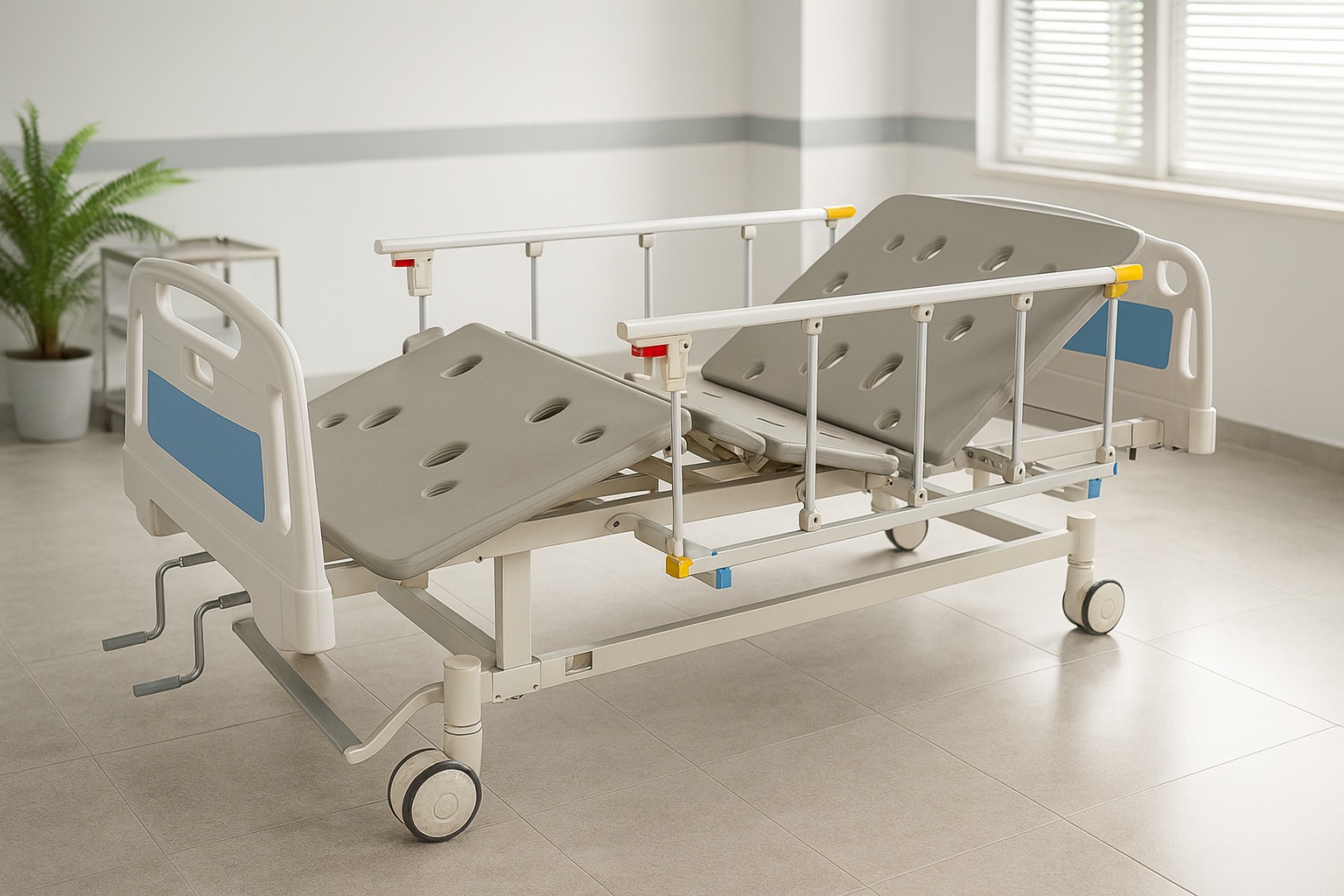
Hospital beds aren’t just frames. They’re built on multiple subsystems, and customization touches each:
- Hospital bed side rails (4-bar, 6-bar, or 8-bar options)
- Hospital bed castors with locking systems
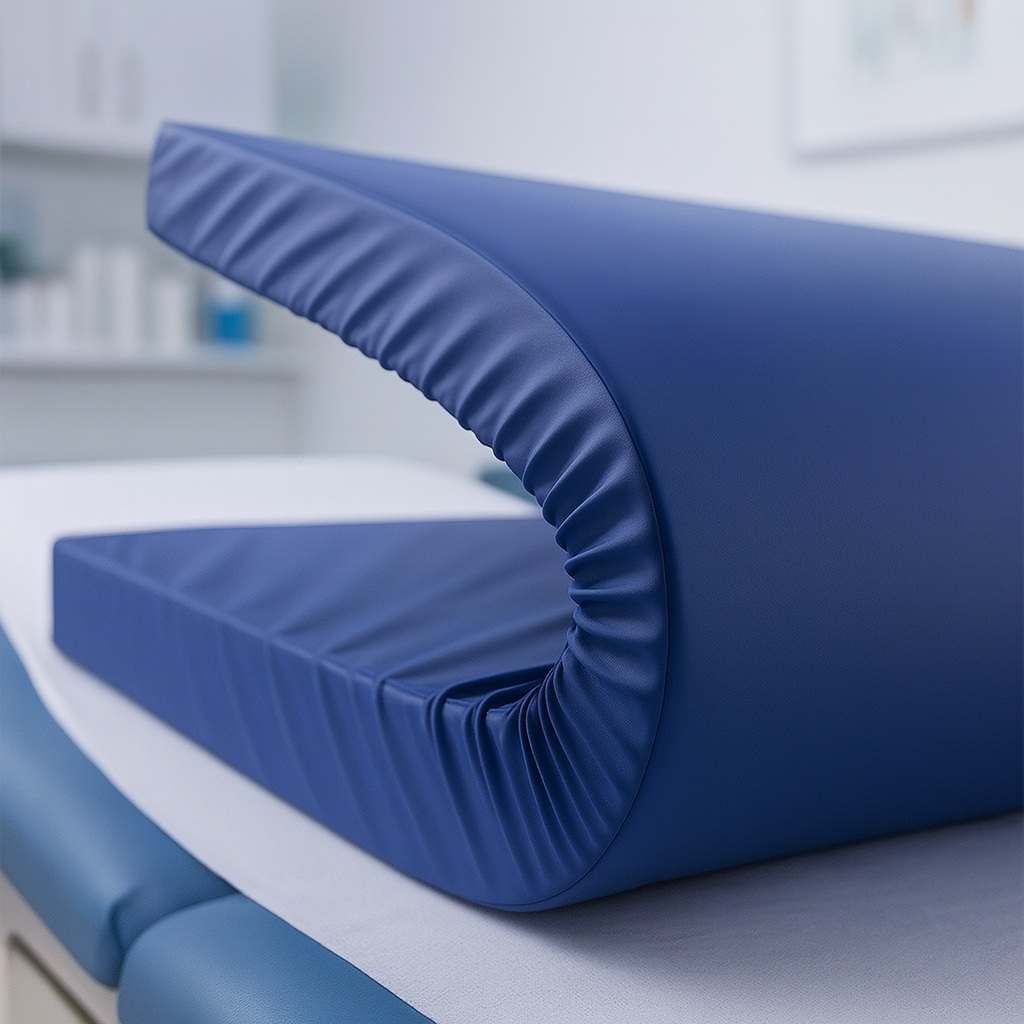
- Hospital bed mattresses with durable platforms
- Overbed table boards for daily use
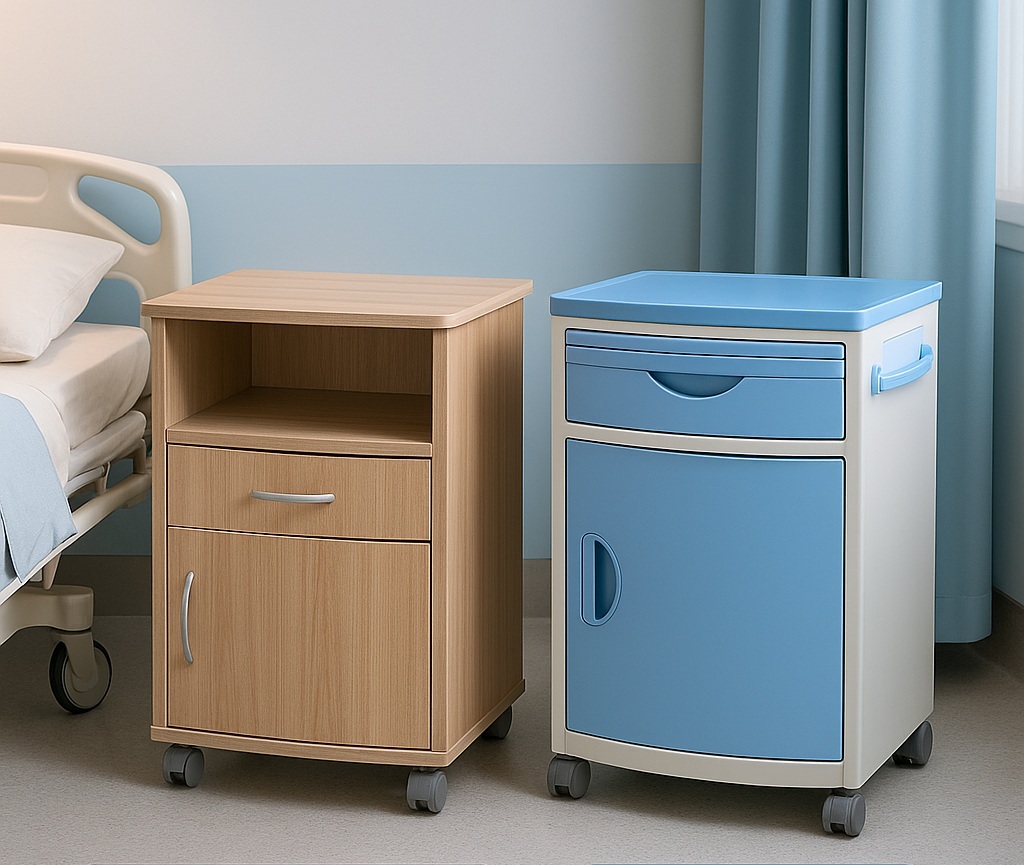
- Hospital bedside cabinets—the most used accessory in the patient’s space
Too often the cabinet gets ignored, but think about it: patients open it daily, nurses place supplies on top, and it visually anchors the bed area. That’s why OEM/ODM customization here is critical.
Co-Design With End Users
Imagine you supply beds, but nurses find the side rails awkward, or patients can’t reach the cabinet drawer. That’s a brand problem.
So involve your end users:
- Ask nurses how high drawers should sit.
- Ask staff whether a sliding or hinged door works better.
- Test overbed tables in real wards before rollout.
Our hospital drip stand IV rods were designed with such feedback—easy to move, stable under load. The same principle works for cabinets and beds.
Regulatory Must-Haves
Hospitals won’t buy if compliance isn’t clear. For every piece of hospital bed furniture, you’ll need quality system certificates and safety test reports.
That means showing the durability of your side rails, locking strength of your castors, and reliability of your bedside cabinet. OEM/ODM suppliers that document every stage of production make your brand’s market access smoother.
MOQ, Lead Time, and Cost Tradeoffs
Custom always sounds good, but it comes with tradeoffs. Larger MOQ, longer lead times, higher startup costs.
So weigh your options:
- Start customizing accessories like hospital bed head & foot boards
- Use existing bed frames but OEM the bedside cabinets
- Mix ODM basics with OEM highlights
This way, you stay flexible while building brand identity.
Why the Hospital Bedside Cabinet Matters
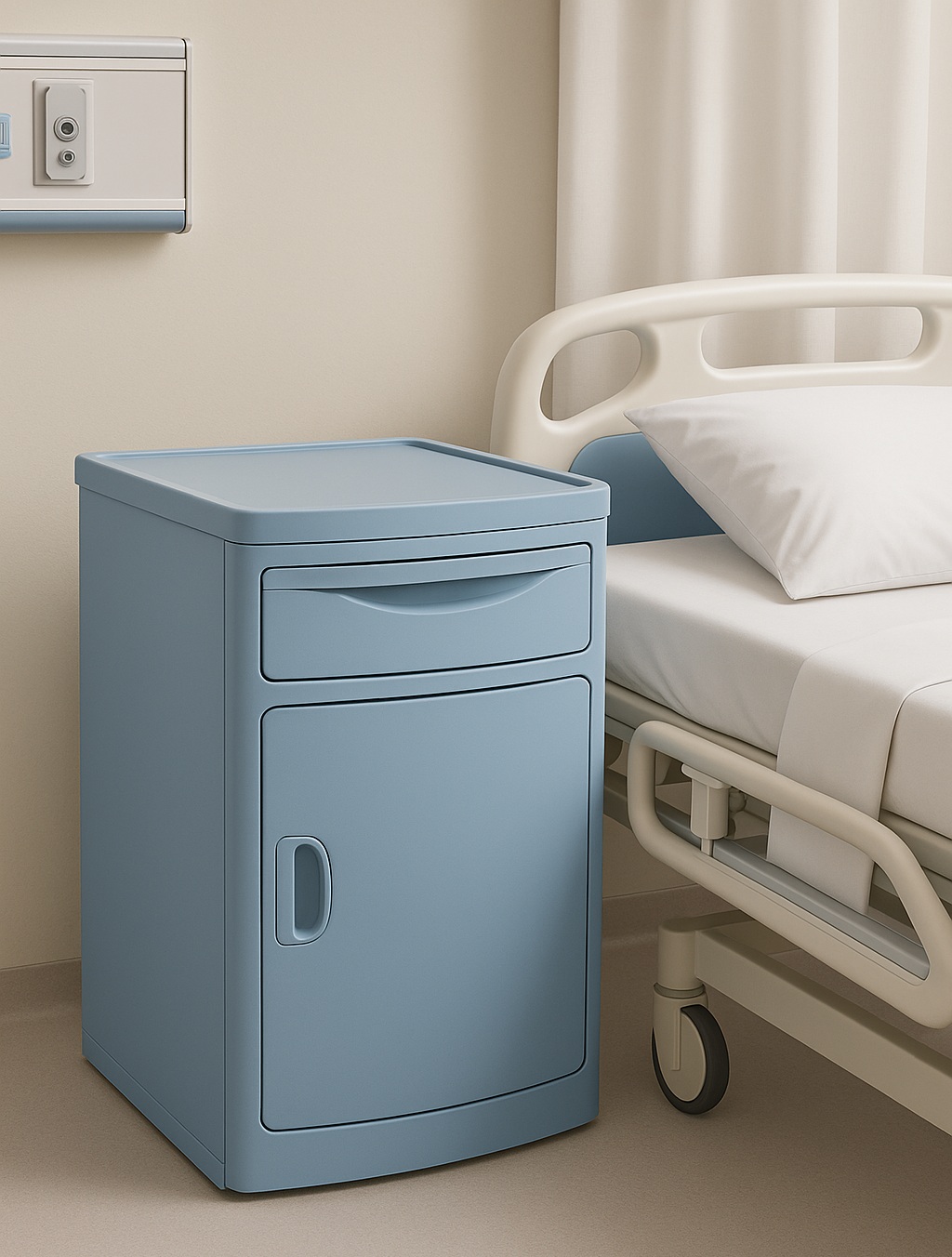
Let’s be honest: the hospital bedside cabinet doesn’t look like a star product. But it’s where patient experience really happens:
- Patients store personal items inside.
- Nurses use the top for supplies.
- It sits next to the bed—always in sight.
That’s why a well-designed hospital bedside cabinet with smooth drawers, ABS construction, or hidden trays can set your brand apart. It’s part of your Hospital Bed Solutions package, and small upgrades here make a big impression.
Working With the Right OEM/ODM Partner
The real question isn’t “Can it be customized?” It’s “Who do you trust to build it?”
When you pick a partner, look for:
- Transparent prototyping steps
- A full range of hospital bed furniture
- Samples before production
- Honest lead times
At MedEquipSupplier, we already offer Hospital Beds, Home Care Beds, Hospital Bedside Cabinets, and accessories like side rails, castors, and overbed table boards. Adding OEM/ODM services simply makes them yours.
Conclusion: Customization Is the Differentiator
The hospital furniture industry is crowded, but customization is how you rise above the noise. Whether it’s a full hospital bed or the humble bedside cabinet, OEM/ODM gives you the power to inject your brand DNA into every patient space.
Think of these not just as furniture, but as brand touchpoints. Each cabinet, each rail, each bed says something about your quality. Done right, hospitals and care centers will remember your brand long after delivery.