OEM/ODM Hospital Beds and Nursing Solutions Manufacturer — HOSPITAL BED SOLUTIONS
2 Crank Hospital Bed: what it really means for long-term care
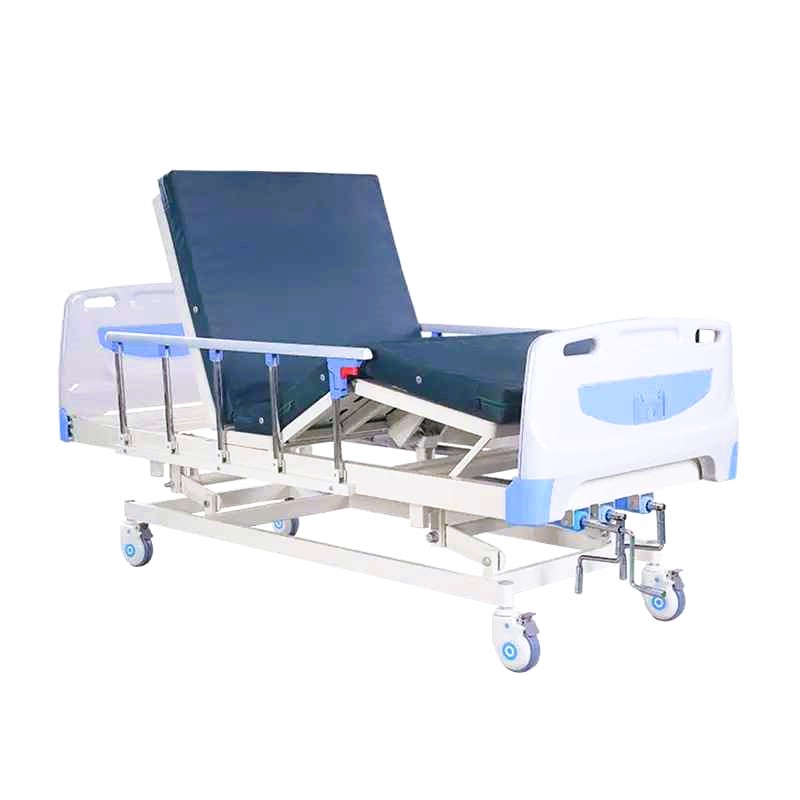
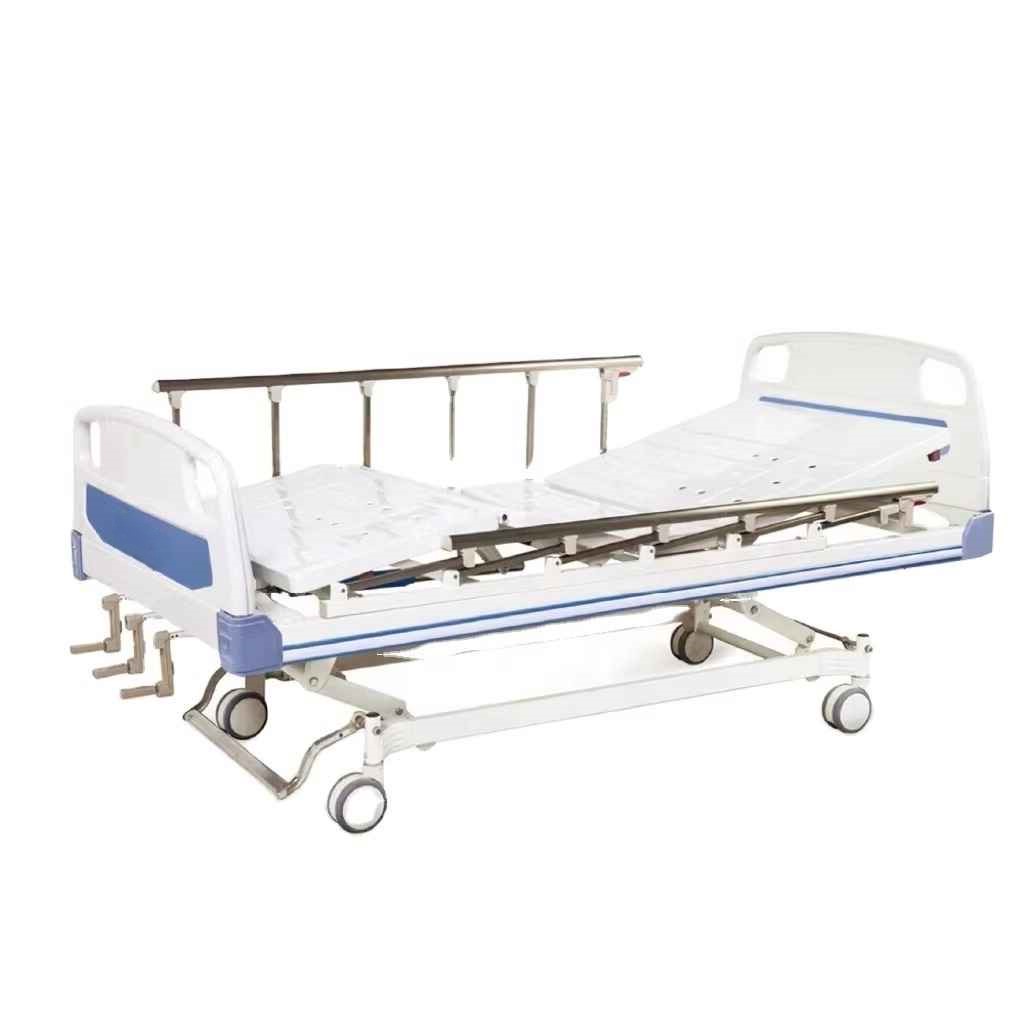
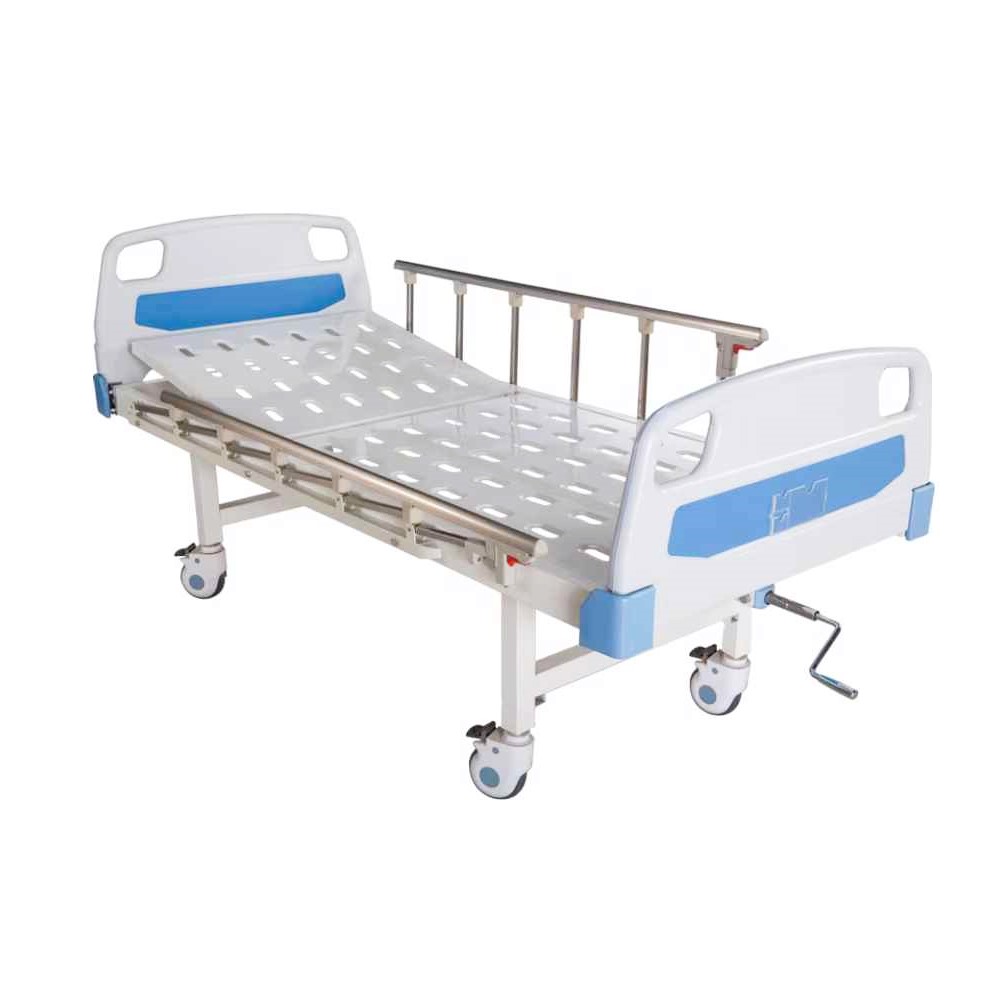
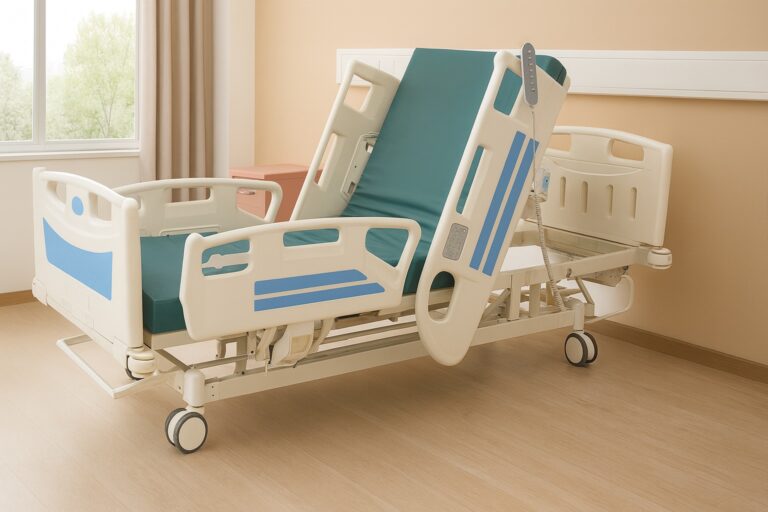
A 2 crank hospital bed is simple: one crank for the backrest, one for the knee/leg. No motor. No charger drama. Less to break. For long-term care, that matters. You want tough gear that handles daily shifts, wipe-downs, and moves between rooms without fuss. Manual mechanics do that job. Care teams get predictable control; families get peace of mind; facility ops get fewer maintenance tickets. Sounds basic, works great.
Core keywords you’ll care about
2 crank hospital bed
manual hospital bed
long-term care bed
hospital bed rails & safety
IEC 60601-2-52 compliance
fall prevention workflow
HOSPITAL BED SOLUTIONS (OEM/ODM)
Why manual matters: durability, uptime, and low-touch upkeep
Mechanical drives outlive motors in tough settings. Dust, humidity, and daily cleaning are fine. If power goes out or plugs are full, caregivers still adjust the bed fast. That’s uptime. In long-term care, uptime beats bells-and-whistles.
Function set you actually need (and where it stops)
A 2-crank’s sweet spot is daily comfort and position changes. Back up for meals or video chat. Knees up to reduce sliding. That’s 90% of routine. Where it stops: usually no whole-bed height adjust and no specialty tilt. If your workflow leans on frequent lateral transfers or strict bed-height protocols, note that limit and plan around it (transfer boards, low-bed policies, staffed assists).
“Long-term care” pain points this bed helps solve
Reliability over time. Beds shouldn’t stall mid-shift. Manual won’t.
Fast learning curve. New staff gets it in 2 minutes. Families too.
Mobility inside the unit. Lighter frames roll better in tight halls.
Budget discipline. You avoid feature-creep that doesn’t add care value.
Spec discipline. You still meet cleaning and safety expectations.
Compliance & safety language buyers expect
If you manage procurement, you’ve heard this: “Conforms to IEC 60601-2-52.” Keep it in the RFP. It’s the common baseline for medical bed safety. Add your house rules on bed rail assessment, pinch-point checks, and casters with diagonal double brakes. Also mention safe patient handling practice—bed height policy, transfer aids, two-person assist when needed. Simple bed ≠ simple policy.
Real-world scenarios (because this is how teams actually use it)
Night shift, low staff ratio. Quick back-up to talk, meds, or sip water. No searching for a remote that fell again.
Power strip already full. You still crank adjustments. No unplugging vital stuff.
Family assist at home. Small hallway? Manual bed rolls in fine.
Mixed census. You need a “generalist” bed that suits many residents without custom training every time.
Feature table: 2 crank vs 3 crank vs electric
Feature / Keyword
2 crank hospital bed
3 crank manual bed
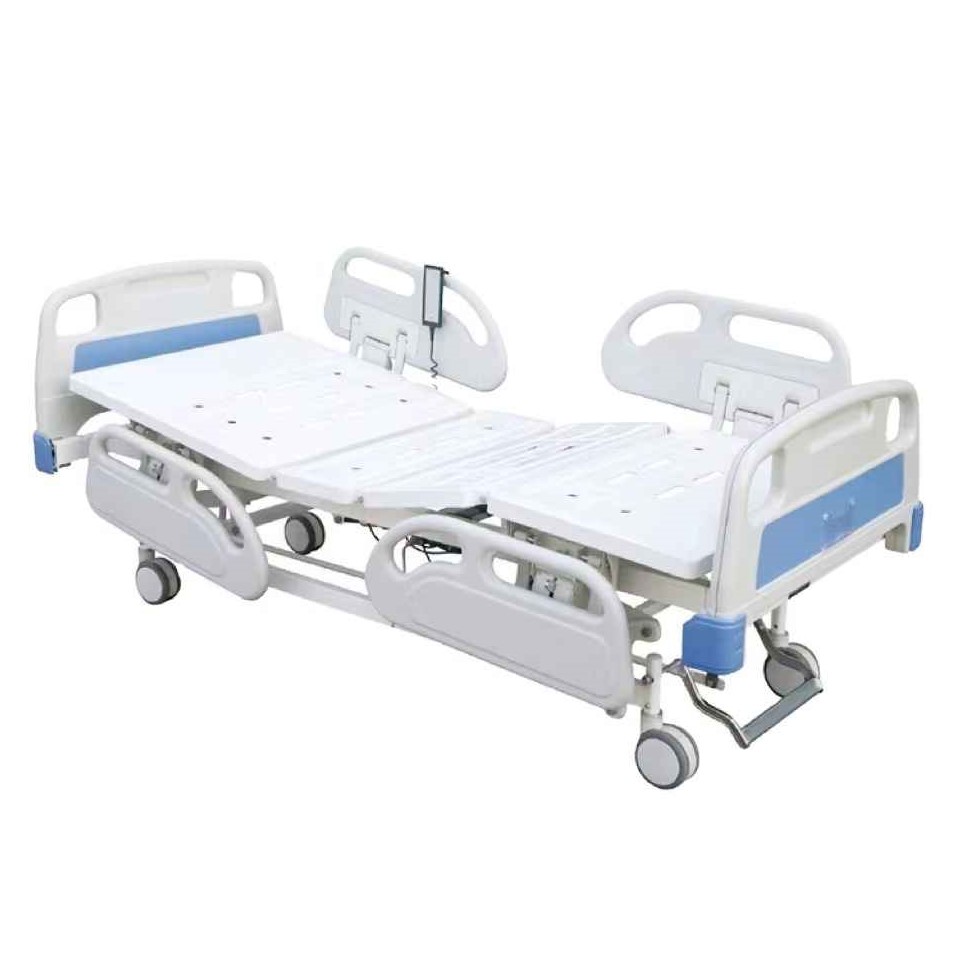
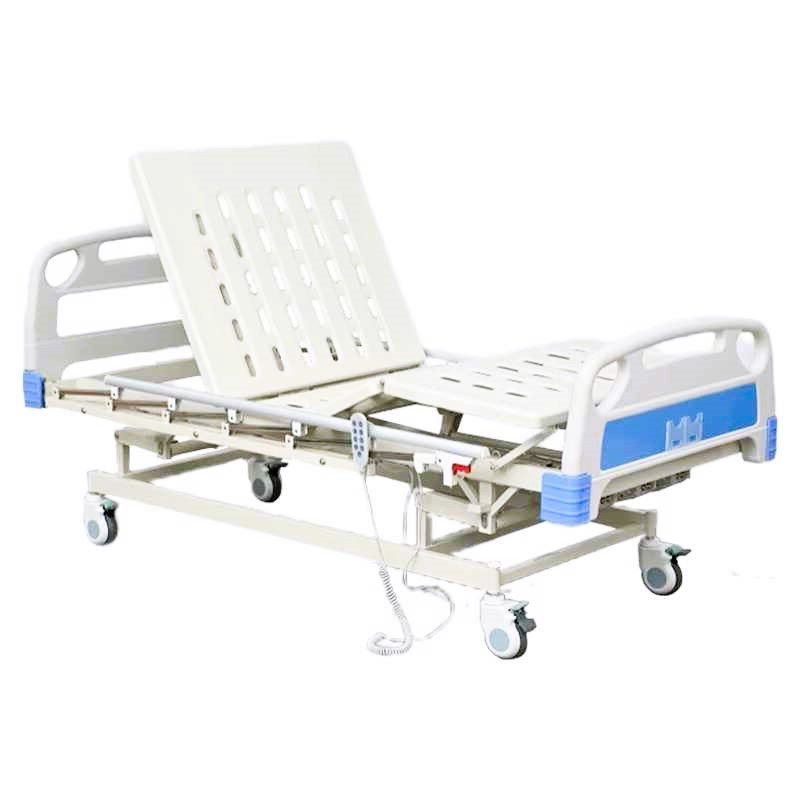
electric hospital bed
Drive type
Manual (back + knee)
Manual (back + knee + height adjust)
Motorized multiple functions
Bed height
Usually fixed
Adjustable
Adjustable (often wider range)
Uptime off-grid
Full (no power needed)
Full
Needs power (or battery)
Maintenance
Low (few parts)
Low-moderate
Higher (motors, handsets)
Staff ergonomics
Good, but fixed height can strain
Better (set “working height”)
Best (fine-tune height, profiles)
Suitable use
Long-term basic care, home care, facilities with tight budgets
Facilities with transfer workflows and height policies
High-acuity units, complex positioning
TCO feel (no numbers)
Predictable, lean
Balanced
Premium, more service
If you need height policies for falls and caregiver back safety, a 3-crank might be your middle road. If you need complex profiles on tap, go electric. If you want durable basics, 2-crank wins.
Spec cues buyers look for (keep them in your checklist)
Steel frame with electro-coat + powder finish.
4-section deck with smooth edges for cleaning.
Safe Working Load in the ~175–250 kg class.
IV pole sockets and urine bag hooks (tiny details, big daily value).
Corner bumpers and full-swing side rails with clear latch feel.
5″ casters with diagonal double-brake pattern.
Mattress stops that actually stop the mattress.
Our HOSPITAL BED SOLUTIONS lineup (2-crank series)
We build OEM/ODM for distributors, importers, hospital buyers, care facilities, and home-care users. You get batch orders, private label, and config options—rails, casters, boards, accessories. Explore:
2 Crank Hospital Bed Overview page. Core specs, options, and bundle ideas for long-term units.
Less electronics means fewer surprise faults. Teams keep working, day or night. That’s the kind of reliability you feel after month 18, not day one.
Two adjustments cover most daily needs
Back and knee changes handle meals, reading, conversation, and “don’t-slide-down” comfort. It’s the bread-and-butter of long-term routines.
Materials and load ratings that age well
Powder-coated steel frames, 4-section decks, and a Safe Working Load in the typical 175–250 kg band. Clean fast, roll fast, hold steady.
Keep the standard: IEC 60601-2-52 language
Buyers expect it. Put it in the spec sheet and the PO. We design with that lens.
Bed-height reality check
If your site runs strict bed height rules for falls or caregiver ergonomics, plan accordingly. A 2-crank is fixed height; that’s not a bug, it’s a spec. Pair with your safe handling program, transfer boards, or select a 3-crank variant when the unit requires.
Bed rails = assess, don’t assume
Rails help only when matched to the person, the mattress, and the routine. Train latches, set inspection rounds, and document fit. Rails aren’t “fit and forget”.
Budget and availability
When you must scale fast—new wing, fresh nursing home beds, home-care bulk—2-crank gives you reliable capacity without drowning ops in training or service tickets.
Mini checklist for long-term care buyers (copy/paste-ready)
Does the frame list IEC 60601-2-52 compliance?
Which rails are included? Tool-less removal? Positive latch feel?
SWL in your target range? Mattress stops fitted?
Caster layout: diagonal double brakes, easy toe access?
Board material (ABS, composite, steel): cleaning plan matched?
Accessories: IV pole, drainage hooks, bumpers, lifting pole socket?
Quick data table you can drop into your spec sheet
Dimension / Keyword
What to target on a 2 crank hospital bed
Why it matters in long-term care
Frame & finish
Steel, electro-coat + powder coat
Withstands daily cleaning, resists wear
Deck design
4-section, smooth edges
Easier hygiene, better mattress fit
Adjustments
Manual back + manual knee
Covers daily comfort and position needs
Bed height
Fixed, state the exact number
Set policies for transfers and staff posture
SWL class
~175–250 kg typical
Fits a wide resident profile
Rails
Full-swing with secure latches
Safer repositioning, routine checks
Mobility
4 casters, diagonal double brake
Stable parking, quick moves
Accessories
IV pole sockets, bag hooks, bumpers
Small details, big daily value
Compliance
IEC 60601-2-52
Procurement and safety baseline
OEM/ODM
Branding, boards, rails, casters
Match your market and stock plan
Who we build for (and how that helps you)
Medical equipment distributors & importers. Private label, carton marks, spare kits, and consistent batches.
Hospital procurement & care facilities. Fast roll-outs, standard spec across wards, training that fits a short window.
Elder care & long-term institutions. Durable, easy to clean, simple to teach new staff.
Home-care buyers. Straightforward setup, no power anxiety, smaller space friendly.
We don’t just sell hardware. We ship HOSPITAL BED SOLUTIONS: spec guidance, accessory picks, and OEM/ODM options that put your brand front and center.
Bottom line (short and honest)
If you want a durable, low-maintenance bed for daily routines in long-term care, a 2 crank hospital bed is still a smart pick. It’s not fancy, it’s faithful. Pair it with clear policies on rails and transfers, and choose components you can clean fast and service even faster. When you do need height adjust or complex profiles, you step up to 3-crank or electric. Until then, this is the reliable workhorse that doesn’t complain. Little rough, very ready.
Want configs, bulk order terms, or OEM/ODM branding? Check the 2-crank series above and ping us with your spec sheet. We’ll make it fit.