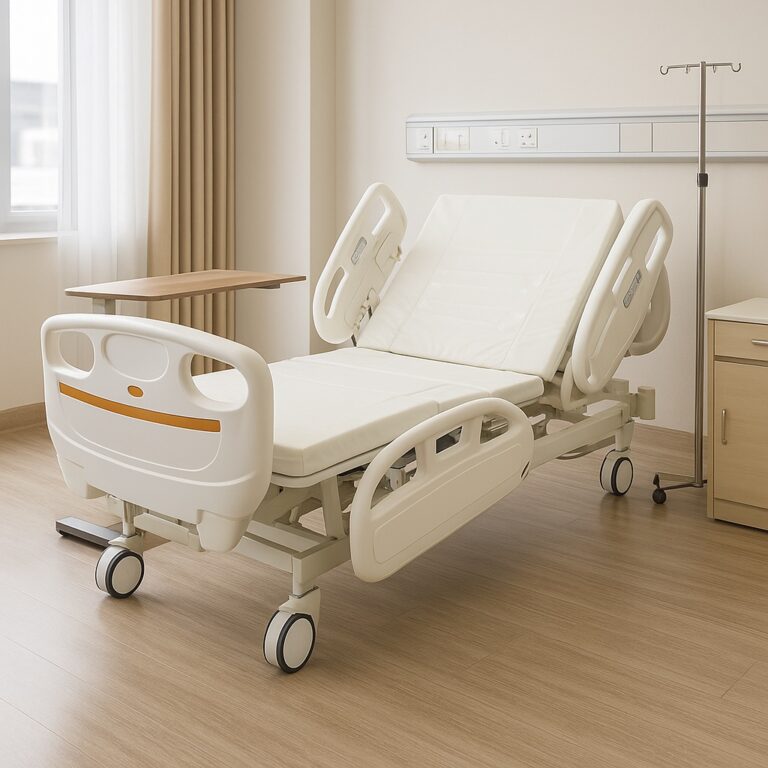
Hospital bed mattresses sit at the center of everyday care. They touch every shift, every move, every wipe-down. Sounds simple, right? Not quite. When the surface fails—even tiny tears or foam fatigue—you get hygiene risk, poor comfort, and more staff workload. This piece keeps it real: quick evidence, plain-English takeaways, field-tested checklists, and where OEM/ODM choices actually save headaches.
Hospital bed mattresses: safety signals you shouldn’t ignore
Cover damage is common. Large audits found a high share of mattresses with worn or torn covers, and a chunk needed immediate replacement. That’s not a “maybe we’ll check later” thing—it’s a “today” thing.
Age isn’t a guarantee. Newer units can still show early wear. Don’t wait for the anniversary to act; build inspection into your SOP.
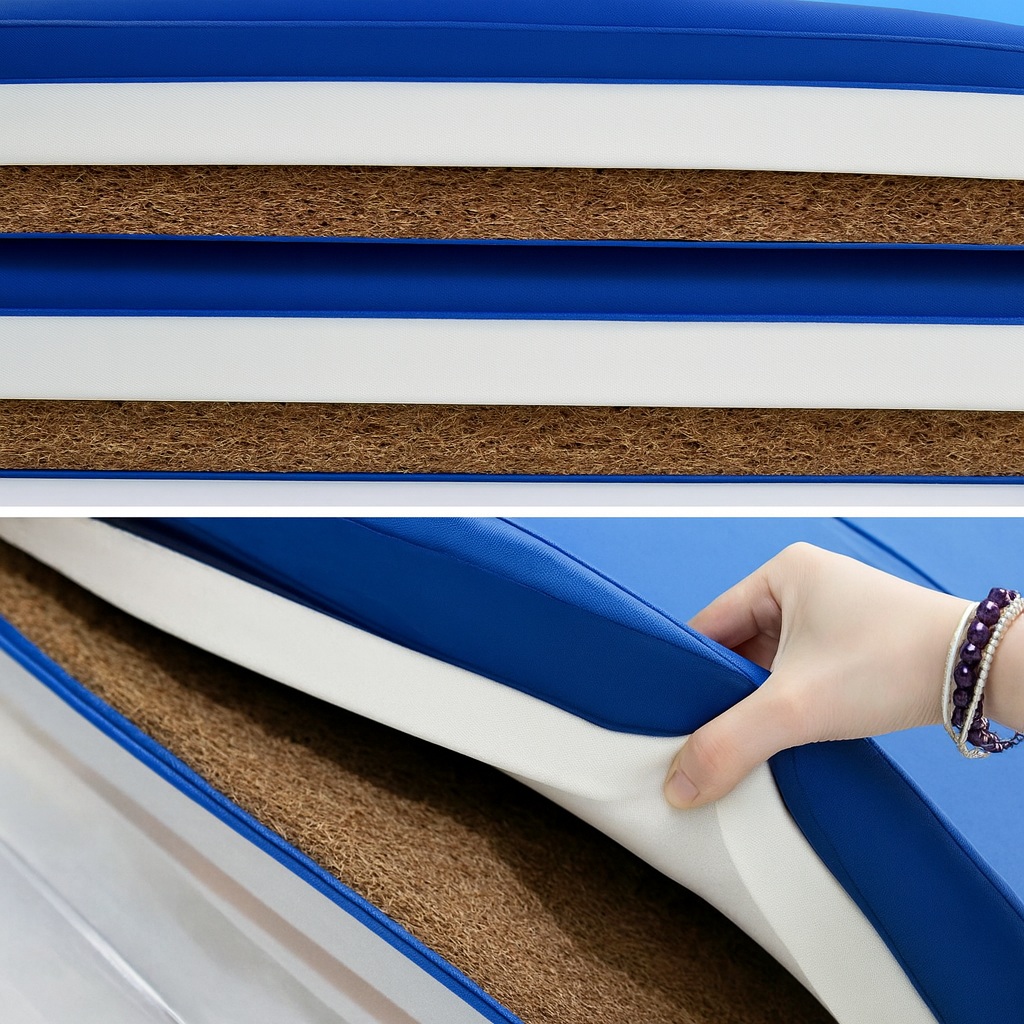
Visual checks miss stuff. Micro-tears hide bio-load. You gotta unzip covers, look at inside seams, and spot-test with light.
Support matters. Compressed foam or slumped gel means uneven pressure and iffy comfort. Patients feel it, nursing feels it, your call bells feel it too.
Evidence table: what we know and what it means)
Argument (keyworded)
Evidence summary
Impact on patient care & safety
Notes for managers
Mattress cover damage prevalence
Multi-site audits reported a high proportion of covers with tears, abrasion, staining; many needed cover-only replacement, some needed full unit swap.
Higher cross-contamination risk; more clean-back time for ES teams; trust in hygiene slips.
Track defects by batch/SKU; keep swap stock on hand.
Not only old units fail
Early-life failures observed on units <4 years in use.
Age-based replacement cycles miss risk windows.
Use condition-based triggers inside your PM cycle.
Inspection beyond the surface
Inside seams and zipper tracks hide micro-tears; standard quick wipes don’t reveal them.
Missed defects = repeat cleaning loops and risk.
Unzip, torch-check seams, log findings.
Support layer degradation
Foam compression / gel slump reduces support profile.
More repositioning calls; increased discomfort; potential skin breakdown risk.
Add “hand-press” depth check and flatness test to PM forms.
Mattress cover damage and hygiene risk
When mattress covers split, fluids can seep inside and later wick back out—big hygiene red flag. Even tiny pinholes matter. You don’t wanna find that out in the middle of a bed turnover. Build a routine:
Surface looks “OK-ish” but seam lines feel rough or gritty.
Zipper tape curled, glued ends peeling.
Spongey “wet” feel after wipe-down (even when dry).
Recurrent odors you can’t place. Not nice, also not safe.
Inspection checklist and SOP
Task (keyworded)
Who
Frequency
How to verify
Pass/Fail hint
Unzip & seam check
ES / Nursing
At terminal clean
Flashlight on inner seams & corners
Any pinhole/tear = replace cover
Zipper integrity test
ES / Biomed
Monthly
Full run open/close, feel for snags
Snag or gap = swap
Hand-press support test
Nursing / Biomed
Monthly or on complaint
Press palm mid-zone; compare rebound left/right
Deep dip or slow rebound = flag
Label & IFU check
Biomed
Quarterly
Confirm IFU, lot, install date in log
Missing label = quarantine
Surface wipe audit
ES Lead
Weekly random
ATP or visual wipe test (per SOP)
Fail = retrain + re-audit
Add it to your PM cycle, keep the log. Boring? Maybe. Effective? Yup.
Comfort, support, and skin safety
Hospital bed mattresses with uneven support create hot spots and fidgeting. Patients shift more, staff answer more calls, everyone gets cranky. You can’t promise spa-level sleep, but you can avoid the “it hurts here when I lie flat” loop. Quick wins:
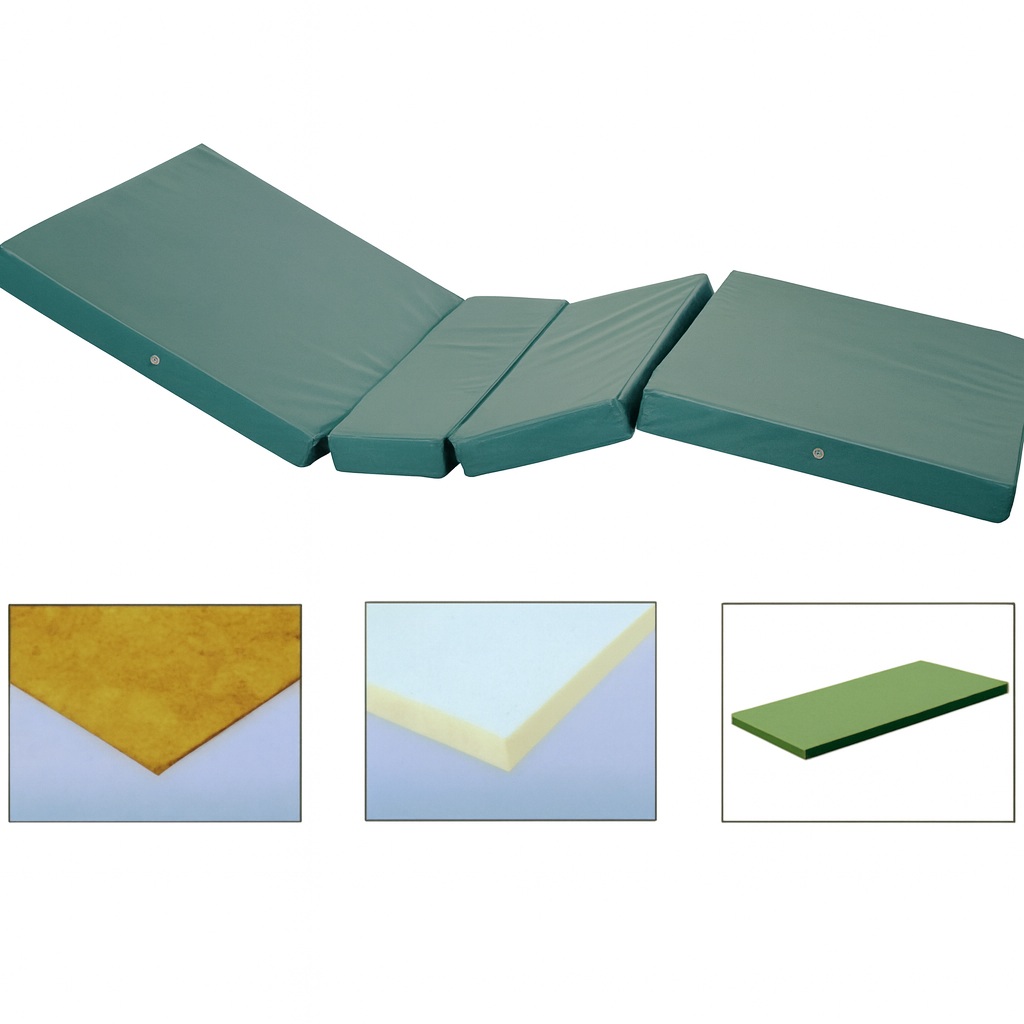
Specify multi-zone support or higher-resilience cores for units in long-stay wards.
Use anti-shear covers to reduce slide during head-up.
Pair surfaces with proper bed ergonomics (rails, angle presets, simple handsets).
Maintenance schedule and IFU compliance
Follow the IFU (instructions for use)—full stop. But also make it practical:
Condition-based triggers: Don’t wait for a birthday; act on defects now.
Swap kits ready: Shelf stock of covers zips you out of downtime.
Barcoded asset tags: Scan in/out, keep an audit trail (who cleaned, who checked).
Training bursts: 10-minute standups for ES teams—zipper care, seam spotting, no-shortcuts wipe pattern.
This ain’t complicated, but it’s easy to skip when the floor is busy.
Real-world cases: hospital bed mattresses in action
Regional hospital ICU swap-out One 300-bed facility in Southeast Asia ran a spot audit after staff kept reporting “mystery stains” during terminal cleans. They found nearly half of their ICU hospital bed mattresses had tiny seam tears. Management switched to OEM/ODM covers with sealed zippers and set a quarterly unzip check. Result: Turnover times dropped, the nurse stopped fielding daily complaints, and procurement logged fewer emergency mattress buys.
Long-term care center pressure issue A senior care home noticed rising calls about discomfort and more late-night repositioning. The audit showed foam slump on many of the long-stay ward mattresses. After upgrading to multi-zone support models (sourced from HOSPITAL BED SOLUTIONS), night shift staff reported fewer repositioning requests, and residents said it “felt more even.” Outcome: No fancy data—just fewer complaints and calmer nights.
Procurement tips (OEM/ODM hospital bed mattress)
Keywords: OEM/ODM, hospital bed mattress, procurement, HOSPITAL BED SOLUTIONS.
Spec the cover right: Seam strength, zipper grade, inside seam sealing. Ask for sample seams you can stress by hand.
Ask for test data: Abrasion cycles, seam burst, wipe-chem compatibility list. No mystique, just numbers you can read.
Insist on traceability: Lot codes on both core and cover. If something goes sideways, you need fast recalls—no drama.
Design for swap: Cover-only replacement saves downtime and cuts waste.
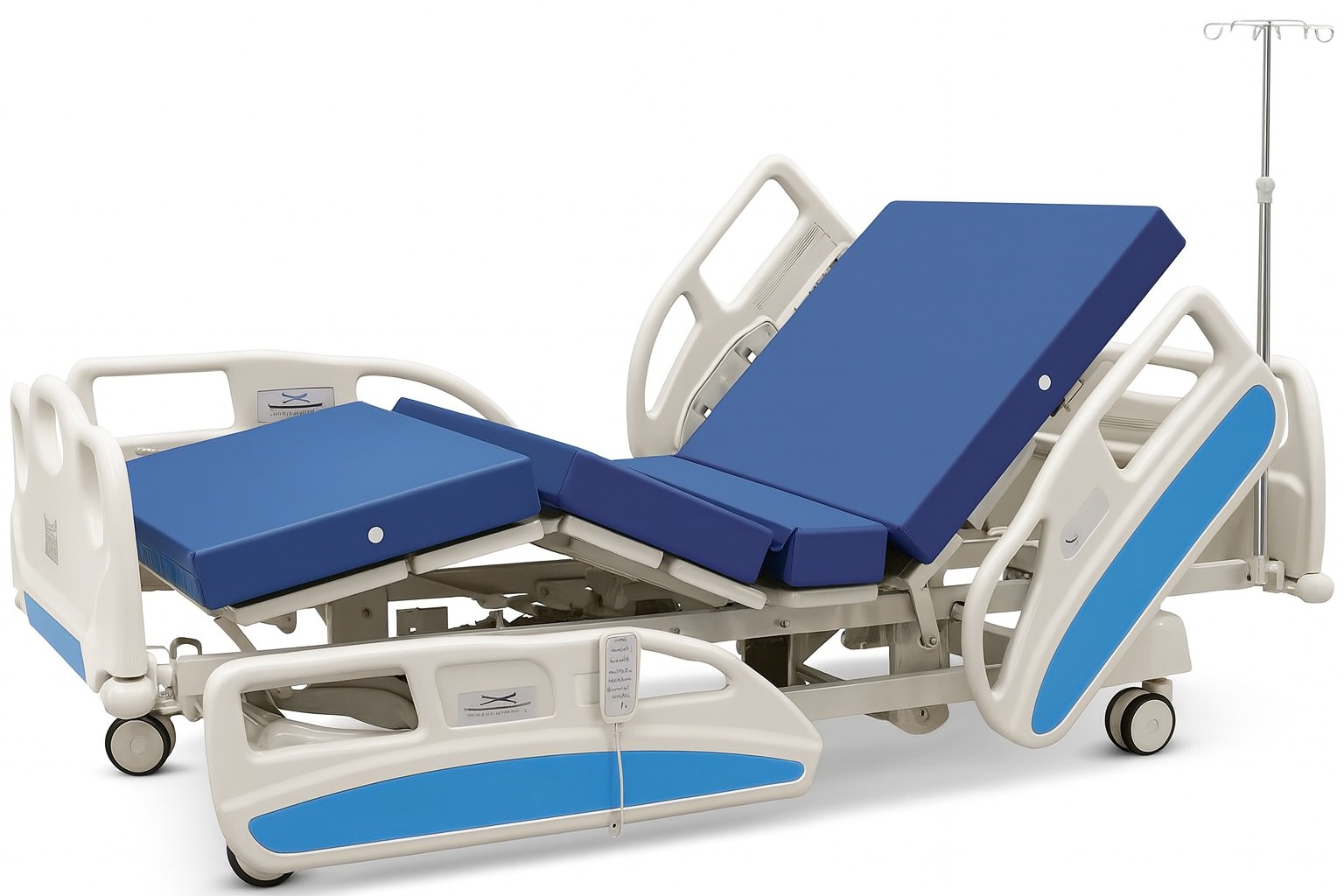
Bundle with furniture fit: Make sure the mattress profile fits your Hospital Bed Furniture set (rails, angles, side-extensions).
After-sales & parts: Covers, zippers, foam cores—don’t chase parts for weeks.
If you’re building a category plan, plug these into your RFP and vendor scorecard under “HOSPITAL BED SOLUTIONS.”
Hospital Bed Furniture integration
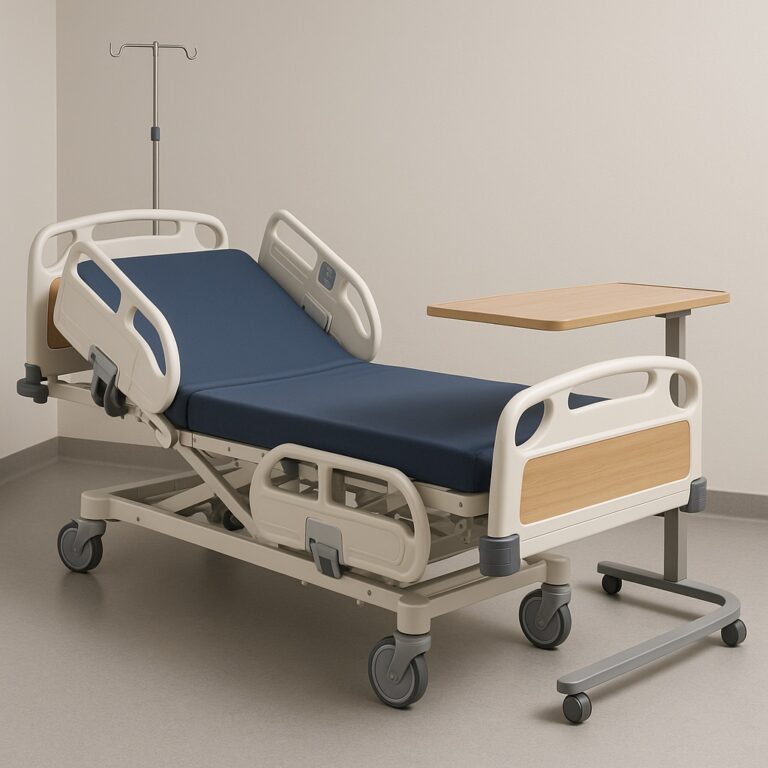
Mattress performance lives or dies with the bed itself. Tilt range, deck gaps, and rail design change the real feel. When you plan a refresh, think in sets:
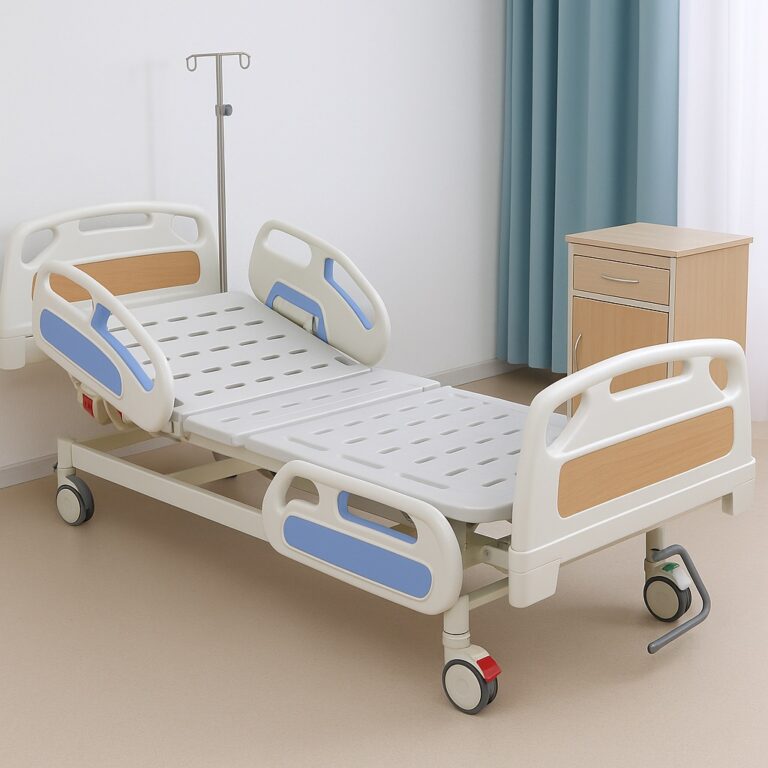
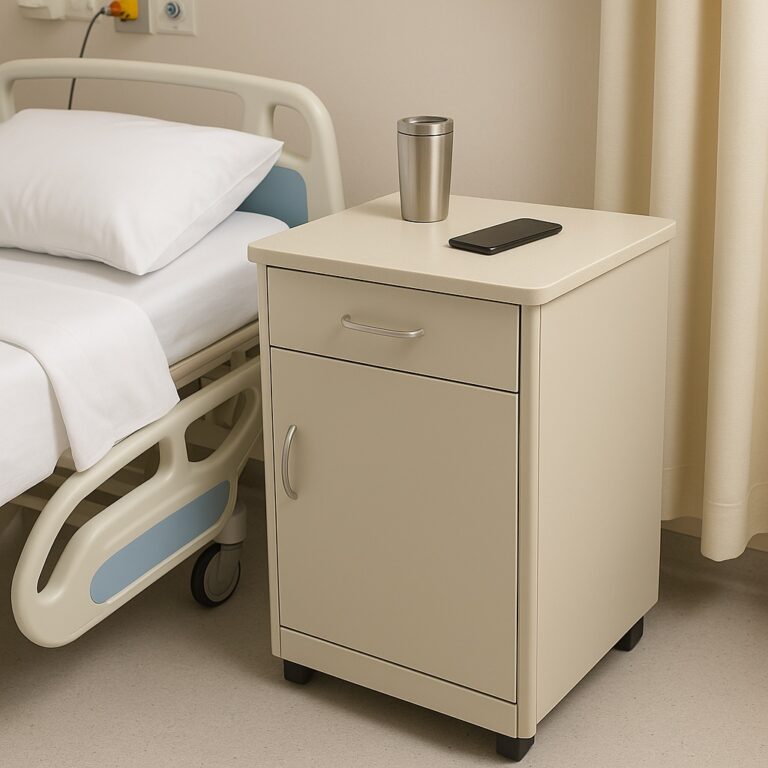
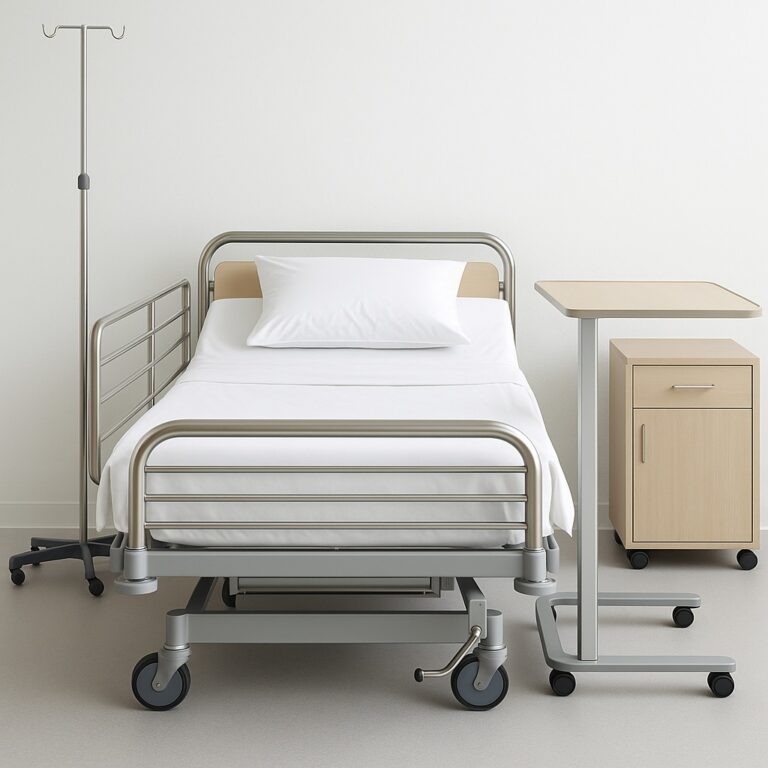
Mattress + bed frame + overbed table + cabinet as one ergonomic zone.
Map your top three ward “moves” (sit-up to eat, lateral transfer, linens change). Optimize for those moves, not for a spec sheet flex.
Explore: Hospital Bed Mattress category pages on our site for specs and options made for real-world turnover.
We do OEM/ODM, bulk orders, and distributor programs—built for medical equipment distributors and importers, hospital procurement teams, long-term care facilities, plus home-care buyers.
Conclusion
Hospital bed mattresses aren’t a “set and forget.” Covers tear, cores slump, and visual checks miss stuff. Shift to condition-based PM, unzip and inspect, stock cover swaps, and buy with IFU compliance + traceability in mind. If you want an easy on-ramp, our HOSPITAL BED SOLUTIONS lineup aligns with this playbook and plugs into your Hospital Bed Furniture sets without fuss.