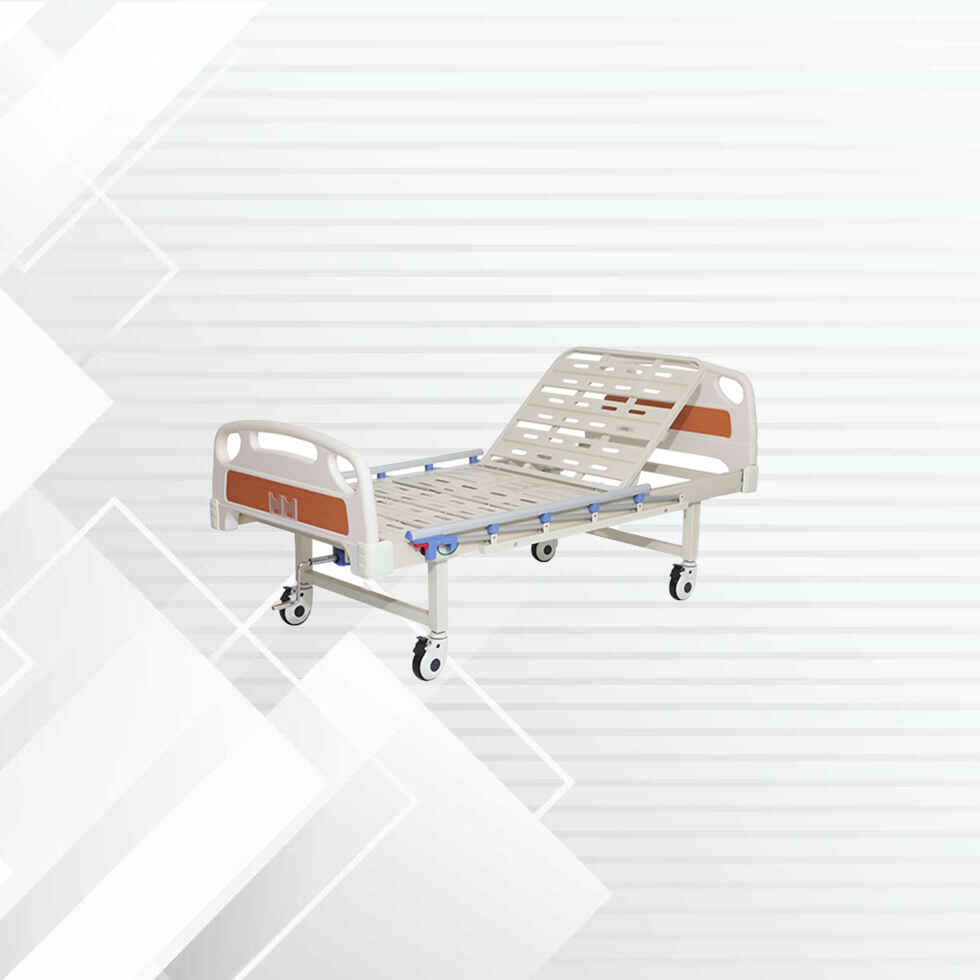
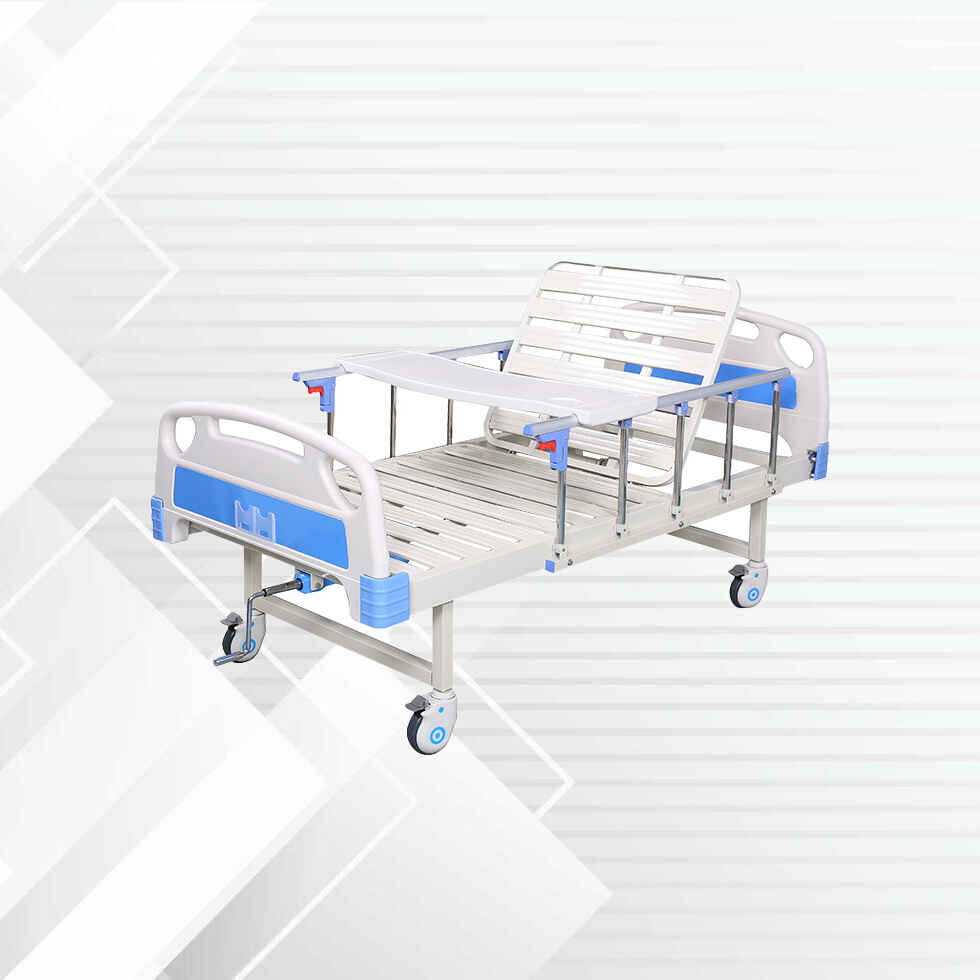
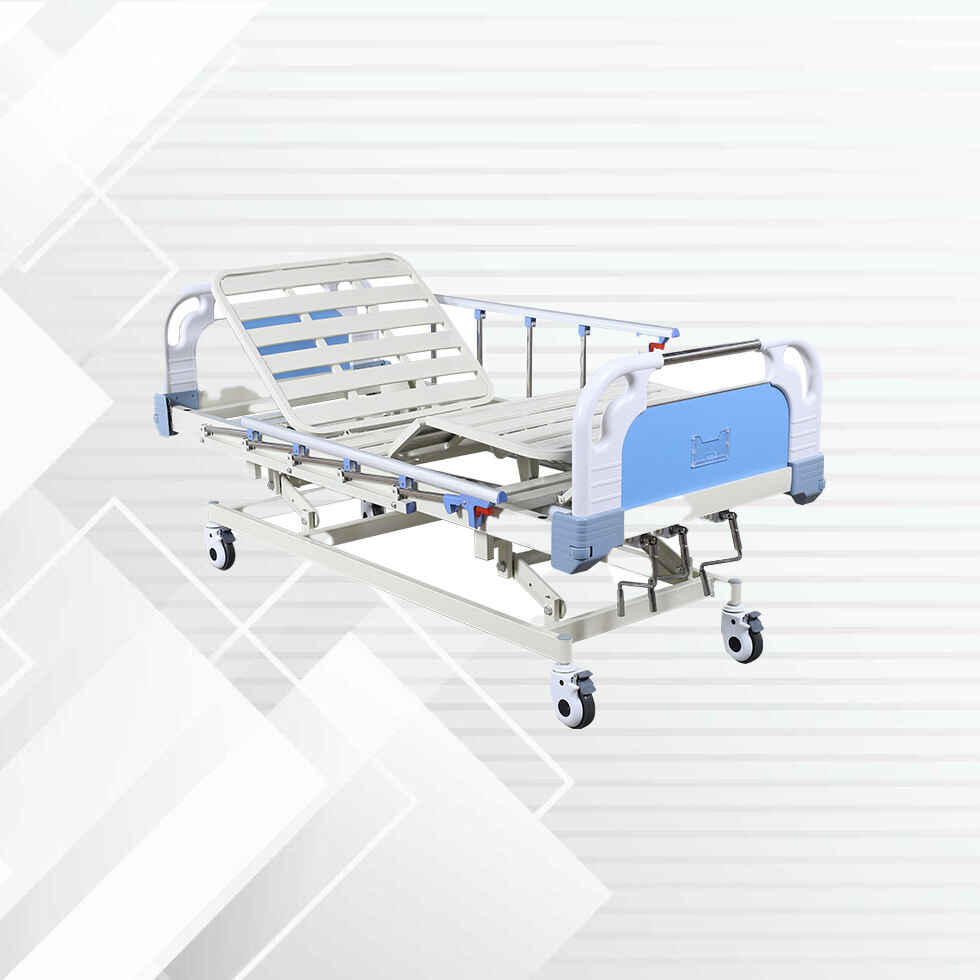
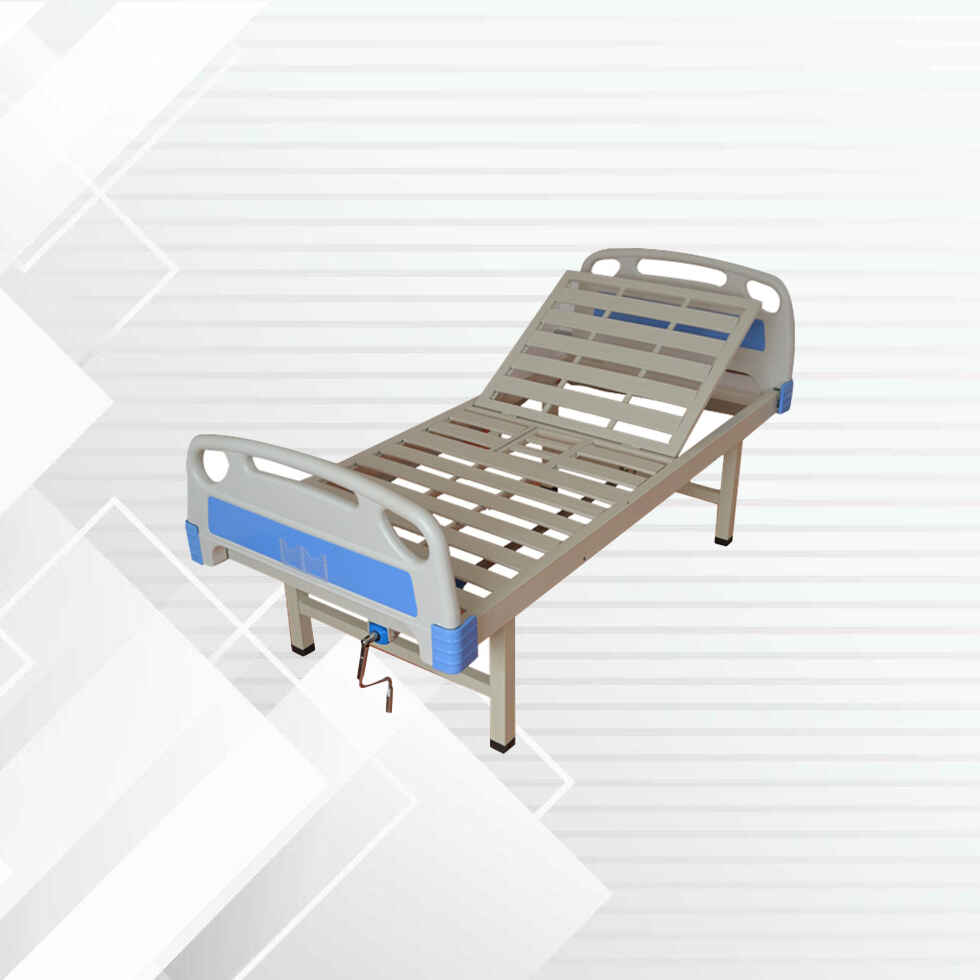
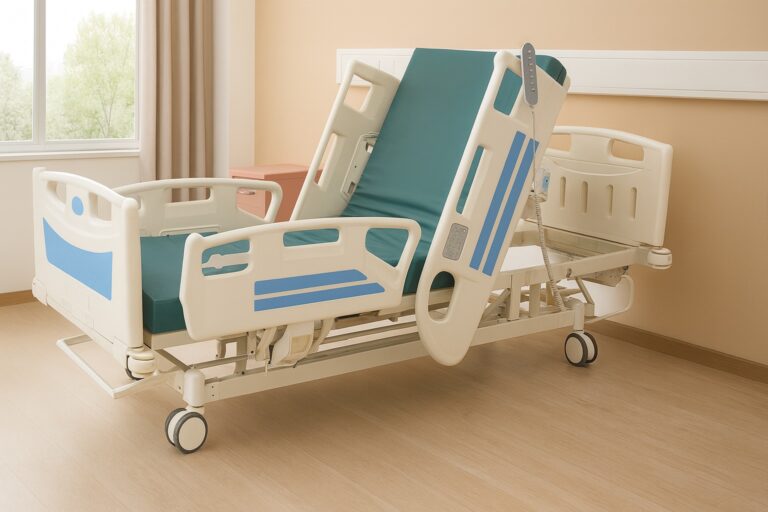
You want beds that don’t quit, even when the power does. You want simple upkeep, real durability, and specs that pass audits. That’s where hand crank hospital beds earn their keep for nursing homes. Below, I’ll argue when manual beds win, where electric still helps, and how to pick the right SKUs for your ward mix—without fluff, just field sense. Links point to the exact models on MedequipSupplier so you can click, compare, and move.
Hand crank hospital bed: total cost of ownership, power-off reliability, everyday safety
What matters: lower TCO over the life of the bed, no dependency on mains power, fewer failure points, and compliance with IEC 60601-2-52 for medical beds plus bed-rail entrapment guidance (FDA “Hospital Bed System—Dimensional and Assessment Guidance”). Those aren’t buzzwords; they are the checkboxes that show up in every RFI and audit log.
Why nursing homes care: predictable budgets, stable uptime, and safer transfers for residents who need steady support but not constant repositioning every hour.
Electric vs hand crank hospital bed: where each wins (nursing homes reality)
Key topic
Hand crank hospital bed
Electric bed
What it means in a nursing home
Power dependency
Works anytime, even power outage
Needs power; battery backup varies
Manual beds keep care running during outages
Failure points
Fewer (no motor/PCB)
More components to service
Lower downtime risk on manual
Care team effort
Requires cranking
Push-button ease
If repositioning is frequent, electric helps staff
Uptime & resilience
High
High, but power dependent
Manual fits facilities with unstable power
Training
Straightforward
Straightforward with controller
Fast onboarding either way
Budget planning
Lower capex/opex over time (no motor)
Higher unit + service exposure
Manual stretches budget for more beds
Compliance
Same standards (IEC 60601-2-52; rail spacing checks)
Same
Procurement still needs the docs, no shortcut
Use cases
Long-stay residents with moderate adjustment needs
High-frequency turns & height changes
Mix models by unit acuity rather than one-size-fits-all
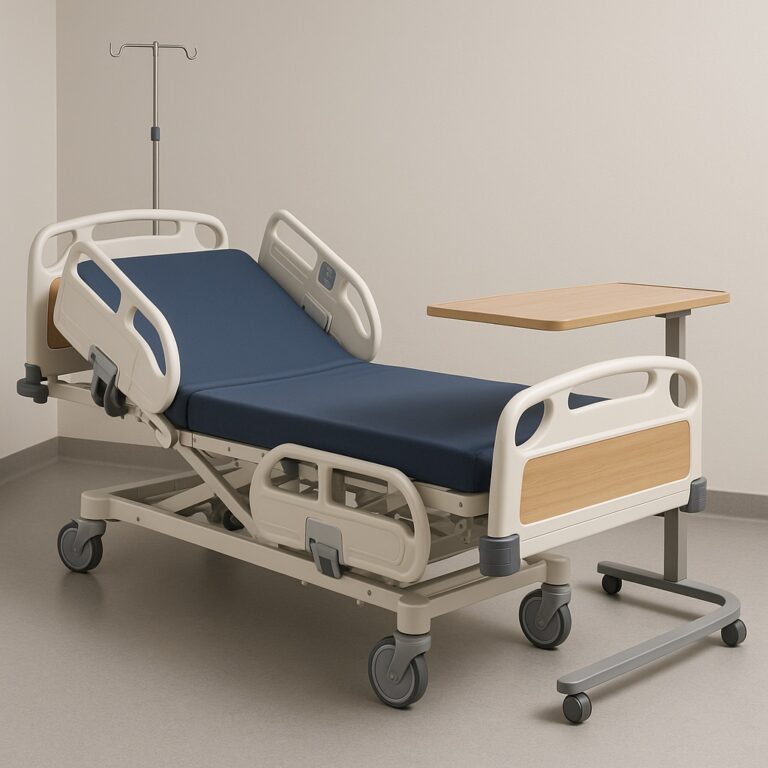
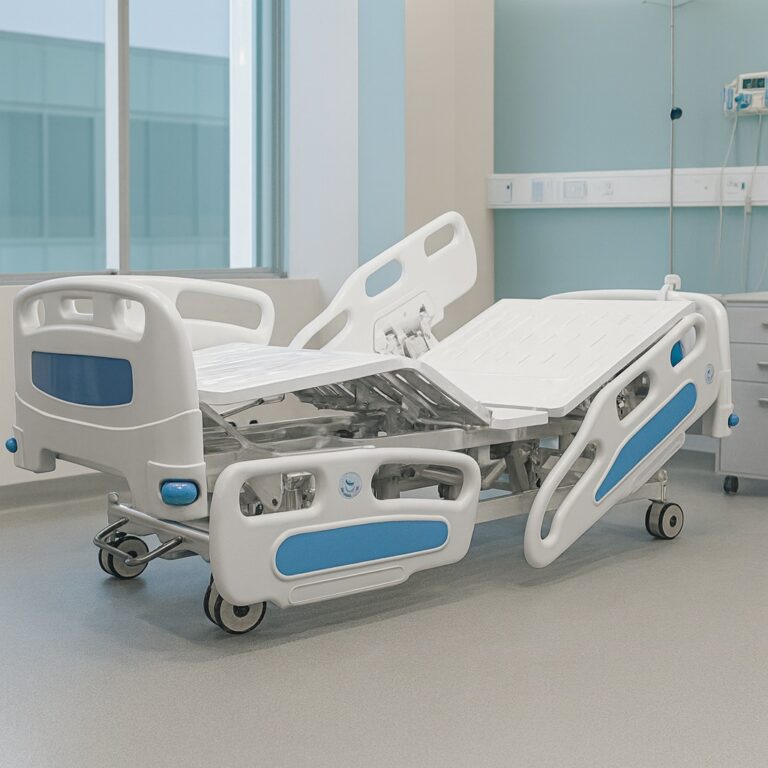
Bottom line: if residents don’t need frequent repositioning, manual wins. In high-turn zones (wounds risk, bariatric lifts, heavy transfer traffic), electric can save staff effort. Most nursing homes run a hybrid fleet and it works.
HOSPITAL BED SOLUTIONS: mapping real scenarios to hand crank SKUs
Here’s a quick, no-nonsense map from daily scenarios to MedequipSupplier models. Click through, check specs, pick finishes. OEM/ODM is available when you need special rails, headboards, or branding.
Scenario
What you actually need
Suggested hand crank model(s)
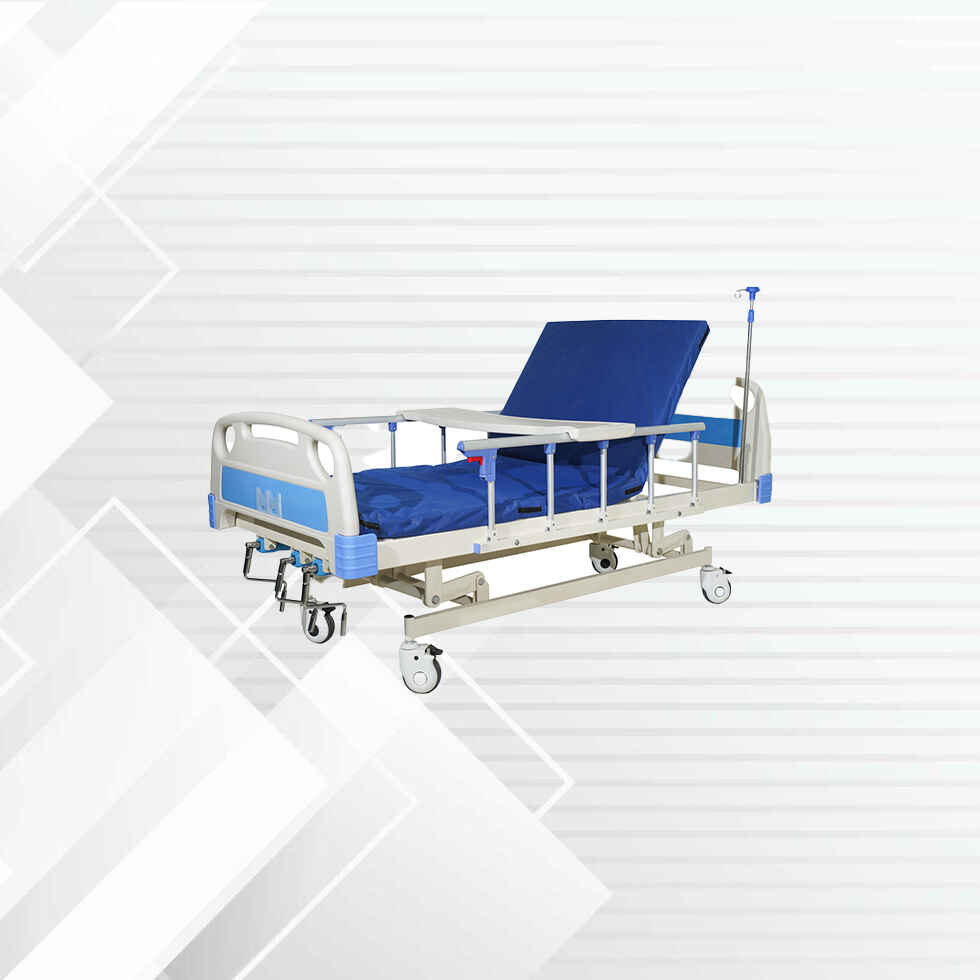
Budget-first refresh for a long-stay wing; simple height + back adjust; low service calls
Manual, 3-function with ABS boards, sturdy frame, easy clean
IEC 60601-2-52 medical bed standard: what procurement should check (and why)
No mystery here. This standard covers safety and performance for medical beds. Your checklist during supplier talks should include:
Declaration of conformity and test reports.
Guardrail dimensions that respect entrapment zones guidance.
Bed height range and stability under load.
Durability cycles for crank mechanisms (ask the cycles; supplier should know).
Braking system hold on smooth floors (yes, mention your floor type).
These aren’t “nice-to-have.” They’re how you pass internal QA and external audits without drama later. Again, not making medical claims; we’re talking hardware safety and usability.
Bed rails, entrapment, and training: keep it simple, keep it safe
Bed rails don’t just “clip on.” Facilities should standardize:
A simple rails checklist per resident profile.
Gap/spacing checks per entrapment guidance.
Staff refreshers on when to use rails and how to lock.
Mattress compatibility list (write it down, post it in the utility room).
Good news: hand crank frames are simple, so training sticks better. You don’t fight with controller codes or firmware mismatches.
Hand crank hospital bed for nursing homes: when it’s the smarter buy
You win with manual beds when:
Power security is shaky. Manual keeps working.
Maintenance bandwidth is thin. Fewer parts, faster fixes.
Resident profile doesn’t need many position changes each shift.
Budget stretch matters. You outfit more rooms now and still keep standards.
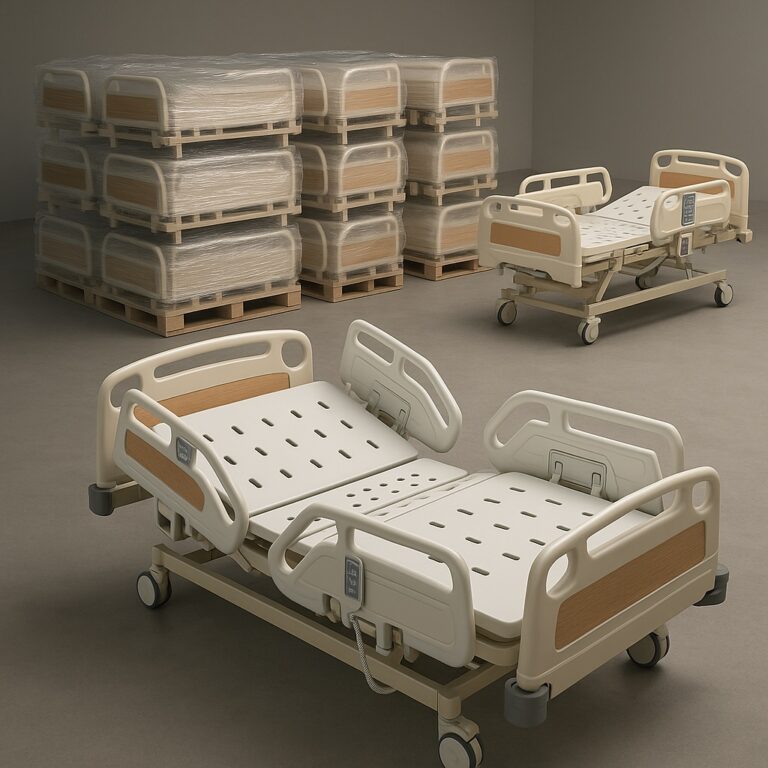
HOSPITAL BED SOLUTIONS strategy favors a hybrid fleet: manual for baseline rooms, electric for high-turn units.
If your staff complains about cranking on certain residents, that’s your signal to swap a few rooms to electric. Don’t overthink it. Run a blended layout by acuity, not politics.
Product shortlist to start a nursing-home pilot (8+ internal links included)
Docs: IEC 60601-2-52 conformity statement; rail gap chart; QC checklist.
After-sales: spare kits, lead time, simple maintenance SOP.
HOSPITAL BED SOLUTIONS plan: hybrid fleet map by unit. Write it up.
Final take for nursing homes
Manual beds aren’t old school; they’re reliable. When residents don’t need constant adjustments, hand crank models deliver uptime, simplicity, and easy care. Use electric where the workload is heavy. Use manual where consistency and budget matter. That’s the whole play.
If you want, we can sketch a HOSPITAL BED SOLUTIONS layout for your building: number of rooms, power map, staff patterns, then match SKUs like CZ3-B or CZ1-D to each zone. Fast. Clean. No over-promise.
Notes on credibility (no external links here, but real standards named)
IEC 60601-2-52: international safety/performance standard for medical beds.
Hospital Bed System—Dimensional and Assessment Guidance (bed-rail entrapment).